![Jeetwin | A Leading and Trusted Online Entertainment Platform in Bangladesh [2026]](https://jeetwin-casino.net/wp-content/uploads/2026/02/jeetwin-logo-convert.io-1.webp)
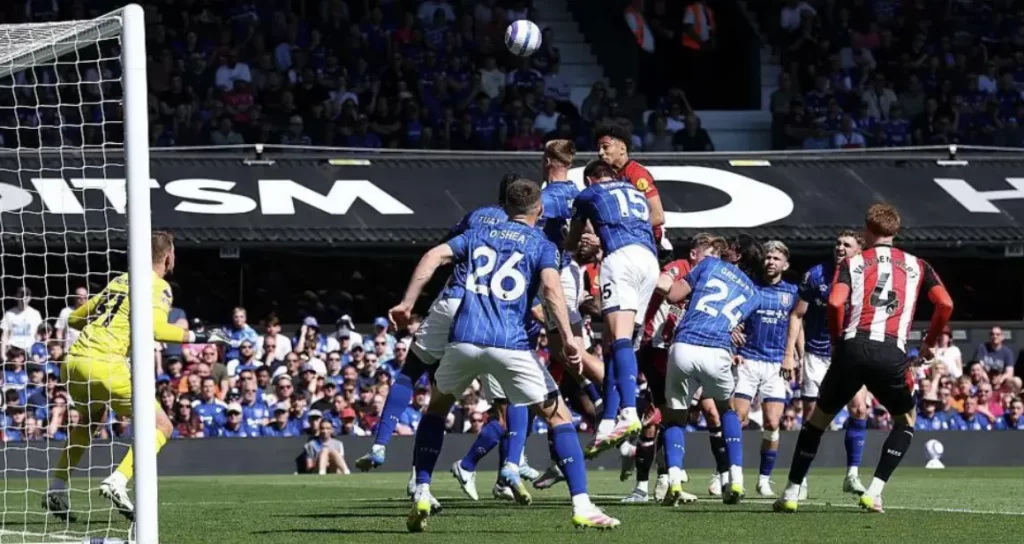
The beautiful game is built on moments of breathtaking skill, heart-stopping drama, and, unfortunately, the occasional act of deception that threatens to undermine it all. The recent charge against former player Hermann Hreidarsson, relating to an alleged dive during a match at Portman Road, has reignited a crucial conversation in football. This isn’t just about one incident from the past; it’s a spotlight on the persistent challenge of simulation in the modern game and the mechanisms in place to uphold fairness. At Jeetwin, we delve into the details of this case, exploring its implications for players, officials, and the sport’s very soul.
Understanding the Hreidarsson Charge
The Football Association (FA) has taken the notable step of charging Hermann Hreidarsson with “successful deception of a match official.” This charge stems from a specific incident during a match where Hreidarsson, then a manager for a lower-league side, is alleged to have simulated contact to win a penalty for his team at Portman Road, the home of Ipswich Town. The charge falls under the FA’s relatively newer regulations designed to retrospectively punish acts of simulation that were missed during the game but were deemed clear and obvious in video review.
This move signals a continued hardline stance from the governing body. As former referee and current pundit Mark Clattenburg noted in a recent column, “The tools for retrospective action are there for a reason. When a clear act of simulation influences a match outcome, it’s right that the FA acts, even if it’s after the final whistle. It’s about protecting the competition’s integrity.” The charge suggests the panel reviewing the footage found compelling evidence that an injustice occurred on the pitch that day.
The Broader Context: Simulation in Modern Football
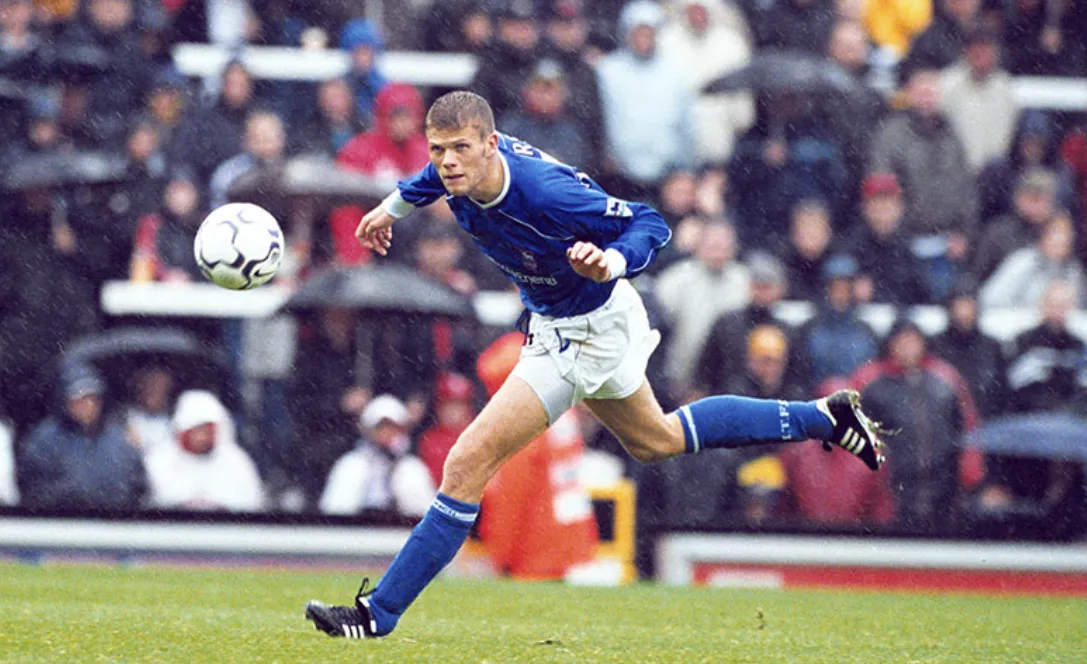
The Hreidarsson case is a single thread in a much larger tapestry. Simulation, or “diving,” has been a blight on football for decades, evolving from clumsy falls to sophisticated acts designed to dupe even the most experienced officials. The introduction of Video Assistant Referee (VAR) technology was meant to be a silver bullet, but as we’ve seen, it has created new debates while solving others.
The challenge lies in the grey area. Not every fall is a dive, and not every dive is easily discernible in real-time. The speed of the game, the angles available to the referee, and the inherent physicality of contact all play a part. This is why the FA’s retrospective charge process exists—to catch what slips through the net. Football analyst and writer, Jessica Carter, explains, “What the Jeetwin team observes is a constant arms race. Players become more adept at selling contact, and the authorities must refine their methods of detection. Retrospective bans, while controversial, are a necessary deterrent in the post-VAR era where cameras see all.”
The Impact on the Game and Its Stakeholders
This charge sends ripples through various levels of the sport. For managers and coaches, it’s a stark reminder that their conduct and instructions from the touchline are under immense scrutiny. Encouraging or tolerating simulation can now have tangible consequences beyond a yellow card during the match.
For match officials, it represents both support and added pressure. Support, because it acknowledges how difficult their real-time job is; pressure, because it highlights that errors in judging simulation can be corrected after the fact, potentially putting their decisions under a harsher microscope. Furthermore, for clubs and fans, it reinforces the message that results gained through deception are not secure and can be legally challenged, adding a new layer of post-match drama.
The Road Ahead for Fair Play
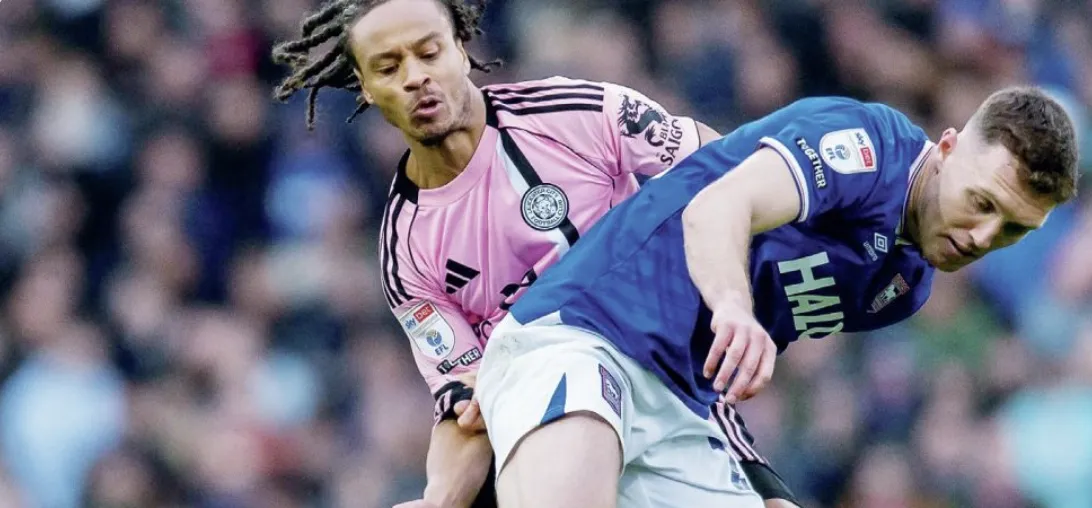
The Hreidarsson case is likely to be a benchmark. Its outcome will be closely watched by players, managers, and legal teams across English football. A strong punishment could deter others, while a dismissal or light sanction might be seen as the system lacking teeth.
The ultimate goal, as always, is to protect the spirit of competition. Tools like retrospective charges and VAR are means to that end. They are not perfect, but they represent football’s ongoing attempt to self-correct. The conversation, fueled by incidents like the one at Portman Road, must continue. It requires education at youth levels, consistent application of rules, and a cultural shift where simulation is stigmatized by players, coaches, and supporters alike.
The Jeetwin Verdict: Upholding Integrity in Football’s Continuous Evolution
The charge against Hermann Hreidarsson is more than a historical footnote; it’s a live wire in the current of modern football’s biggest debates. At Jeetwin, we see it as a critical test case for the sport’s commitment to rooting out deception. While technology and retrospective panels provide powerful tools, the heart of the solution lies in the game’s culture. This incident serves as a reminder that every stakeholder—from the FA to the manager on the touchline to the fan in the stand—has a role to play in championing authenticity over gamesmanship.
What’s your take on retrospective charges for simulation? Does it help clean up the game, or does it create an unfair “trial by video” culture? Share your thoughts and experiences in the comments below, and for more in-depth analysis on the issues shaping football today, stay right here with us.
