![Jeetwin | A Leading and Trusted Online Entertainment Platform in Bangladesh [2026]](https://jeetwin-casino.net/wp-content/uploads/2026/02/jeetwin-logo-convert.io-1.webp)
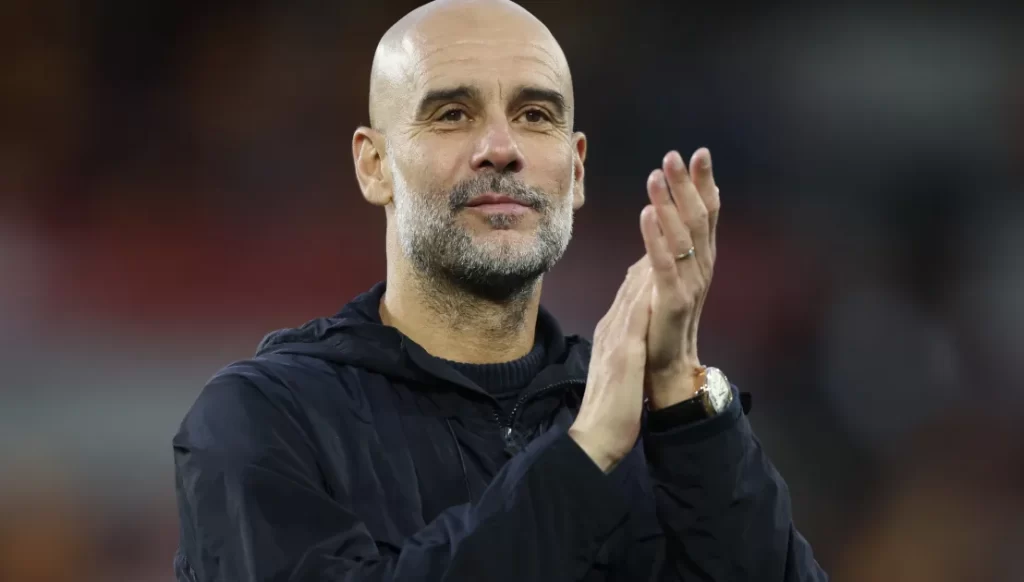
The Premier League stage is set for another tactical masterclass this weekend as two of football’s most influential minds prepare to clash. Ahead of Arsenal’s crucial trip to face Manchester City, Arsène Wenger has opened up about the parallels he sees between his own storied career and the journey of his counterpart, Pep Guardiola. In an exclusive discussion, the legendary Arsenal boss shared his admiration for the City manager, dissecting their shared philosophies and the evolving landscape for managers in England’s top flight. This Jeetwin analysis delves into Wenger’s perspective, offering a unique look at what makes these two icons tick.
The Shared Foundation of Football Philosophy
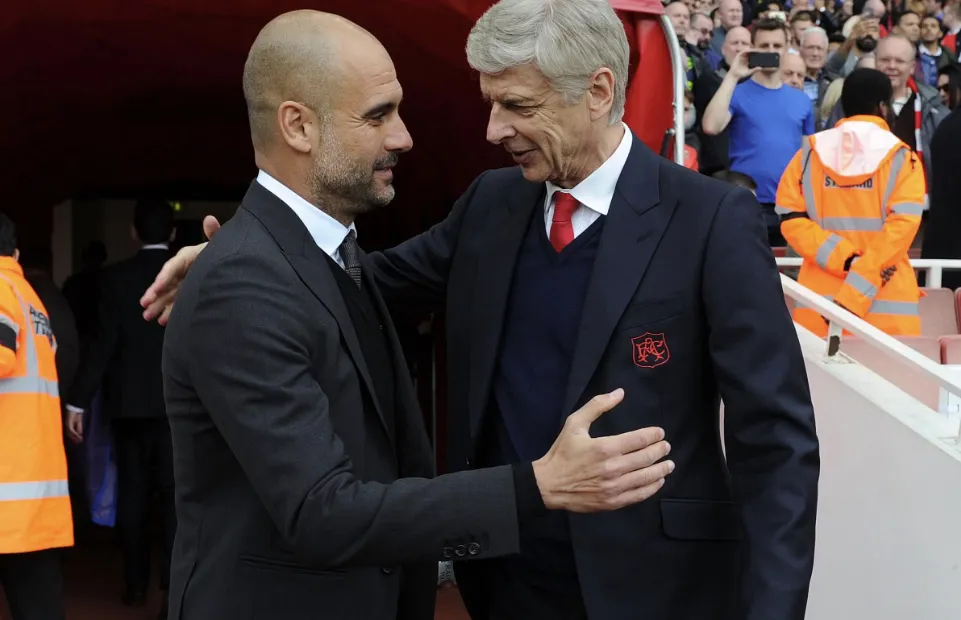
When discussing Pep Guardiola, Arsène Wenger is quick to acknowledge the Spaniard’s immense success and the respect he commands globally. While their starting points differed—Guardiola at the pinnacle of Barcelona and Wenger in a more humble academy setting—the Frenchman believes the core principle is the same: unwavering belief in a distinct footballing identity.
Wenger points to the profound influence of the late Johan Cruyff on Guardiola’s development, both as a player and a manager. This foundation, built on possession, pressing, and technical excellence, is something Wenger not only recognizes but admires. “They are similar, he tries to play,” Wenger stated, confirming a shared commitment to an attractive, proactive style of football. For fans on Jeetwin, this highlights a fascinating connection between two eras of football innovation, where philosophy transcends generations.
Navigating Criticism and Implementing Change
The current season has not been without its challenges for Pep Guardiola. Manchester City’s patchy form has led to scrutiny of his methods, with questions arising about how quickly his squad can adapt to his demanding tactical blueprint. Wenger, having faced his own share of skepticism upon arriving in England as a relative unknown in 1996, understands this dynamic intimately.
He reflects on how the environment for foreign managers has shifted dramatically. “I would say when I arrived here it was difficult for the foreign managers. Today it is difficult for the English managers, that’s what has changed,” Wenger observed. His insight suggests that Guardiola’s experience is part of a broader cultural evolution in the Premier League. The key, according to Wenger, is managing the pace of change. A manager must balance the desire to implement a radical philosophy with the practical need to ensure the team can successfully absorb it—a lesson he learned over two decades in North London.
The Sunday Showdown: More Than Just Three Points
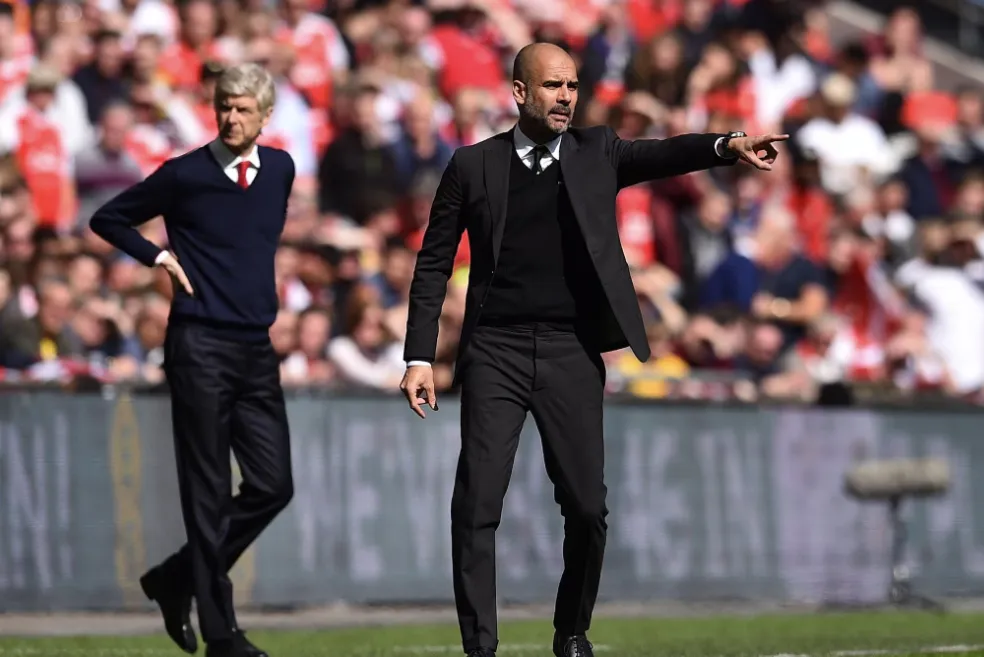
This weekend’s match is laden with significance beyond the Premier League table. With City sitting just a point behind Arsenal, it’s a direct clash for top-four positioning. However, the narrative extends deeper into a battle of ideologies. Wenger‘s Arsenal, known for their fluid, attacking football, will test themselves against Guardiola’s City, a team engineered to dominate possession and space.
Experts on Jeetwin note that such fixtures often hinge on which manager can impose their philosophy more effectively on the day. Will Arsenal’s experience and cohesion overcome City’s technical prowess and Guardiola’s intricate game plan? The duel on the touchline promises to be as compelling as the action on the pitch. As football analyst Mark Thompson commented in a recent piece, “When Wenger and Guardiola meet, it’s a seminar in modern football management. The result is important, but the tactical subplots are what true students of the game will be watching for.”
A Legacy of Influence and Adaptation
Looking back at his own early days, Wenger recalls a more resistant climate. His ideas on diet, training, and playing style were initially met with curiosity and sometimes doubt. The image of a bespectacled foreigner revolutionizing an English club is now part of football folklore, but it was a path paved with challenge.
This historical context makes his praise for Guardiola all the more meaningful. Wenger sees in him a kindred spirit—a believer in a specific footballing truth who is willing to face criticism to see it through. It’s a testament to both men’s character and their dedication to the beautiful game. Their careers, though separated by a generation, are bookends of a continuous thread of innovation in football management.
Wenger’s Insight on Guardiola: A Tale of Two Philosophies
In summary, Arsène Wenger‘s reflections offer a rare and valuable perspective on the art of management. His recognition of shared philosophy with Pep Guardiola, coupled with his understanding of the pressures that come with implementing change, provides a rich narrative for this weekend’s blockbuster fixture. This is more than just a preview; it’s an appreciation of two careers that have shaped modern football. We invite you, the Jeetwin community, to share your thoughts on this managerial rivalry. Who do you think will win the tactical battle this Sunday? Let us know in the comments below and don’t forget to share this analysis with fellow football fans
