![Jeetwin | A Leading and Trusted Online Entertainment Platform in Bangladesh [2026]](https://jeetwin-casino.net/wp-content/uploads/2026/02/jeetwin-logo-convert.io-1.webp)
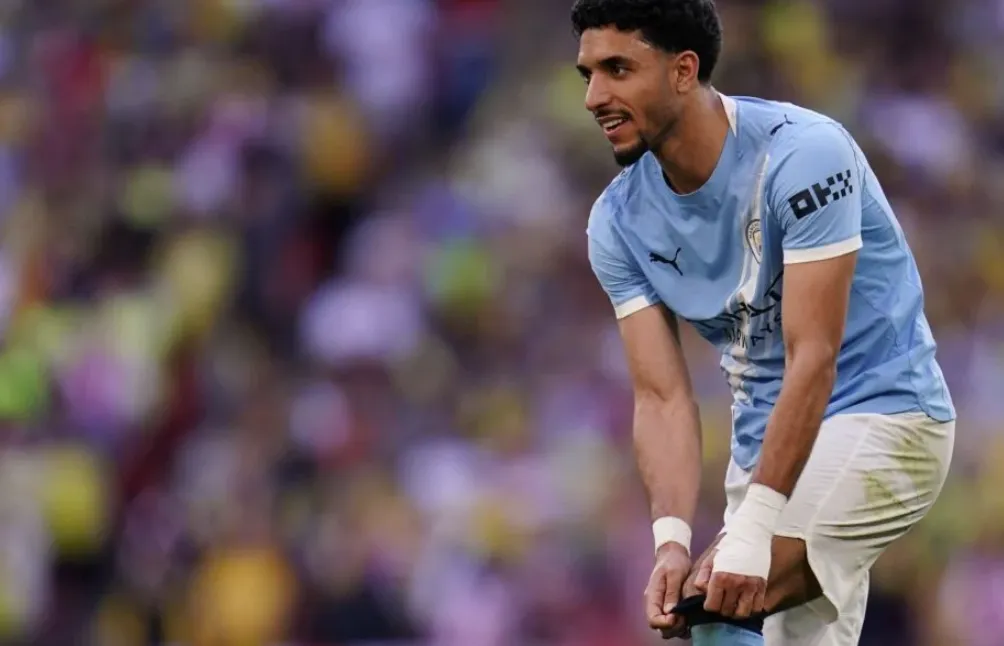
The football world has often wondered what Manchester City would look like without their prolific goal-scorer, Erling Haaland. Recent performances suggest the answer might be more encouraging than many anticipated. For fans following the action through Jeetwin, the emerging narrative around City’s adaptability without their Norwegian superstar has become one of the most fascinating storylines of the season.
Manchester City demonstrated remarkable versatility in their recent outing, proving that their attacking prowess extends far beyond a single player. While Haaland’s absence could have created a significant void, the team’s depth and tactical flexibility have come to the forefront, offering a glimpse into Pep Guardiola’s ever-evolving tactical genius.
The Rise of Omar Marmoush: A New Dynamic Force
One of the most striking developments has been the emergence of Omar Marmoush as a central figure in City‘s attack. The Egyptian international, who joined the club with considerable expectations, has begun to justify the faith placed in him.
Marmoush’s playing style offers something distinctly different from Haaland. While the Norwegian is a traditional powerhouse striker who thrives on service inside the box, Marmoush brings a fluid, versatile approach that allows City to vary their attacking patterns.
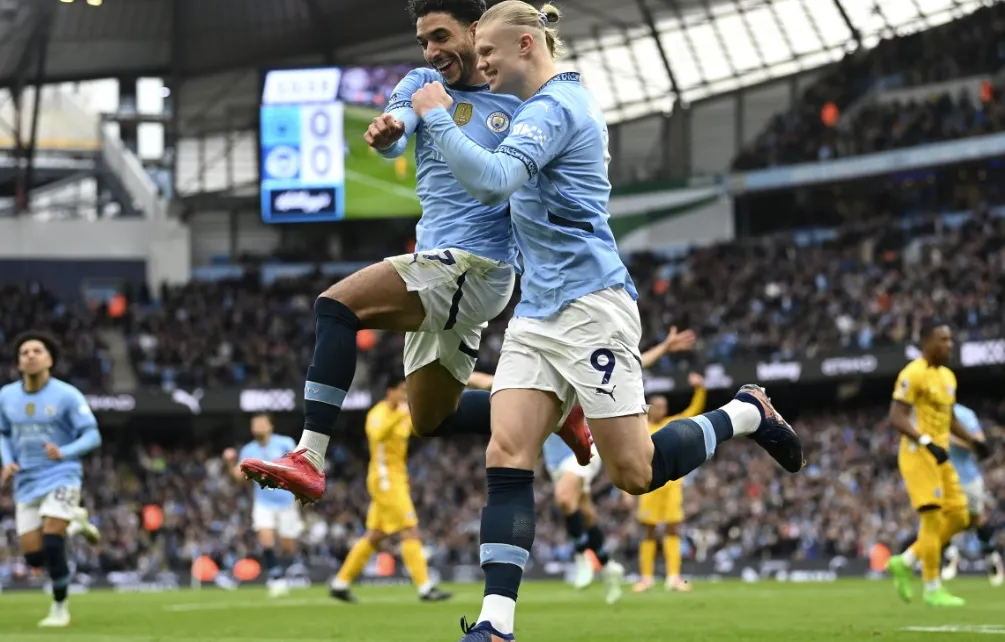
Key Attributes of Marmoush’s Game
- Dribbling ability in tight spaces: Unlike Haaland’s more direct approach, Marmoush excels at taking on defenders one-on-one
- Link-up play: His ability to drop deep and connect with midfielders has given City an additional layer in build-up phases
- Positional flexibility: He can drift wide or operate as a false nine, confusing opposing defenses
According to football tactics analyst James Richardson, who has studied City’s recent performances extensively, “What we’re seeing is Guardiola adapting his system to maximize Marmoush’s strengths. The team is playing with more interchanging movements, which makes them harder to predict and defend against.
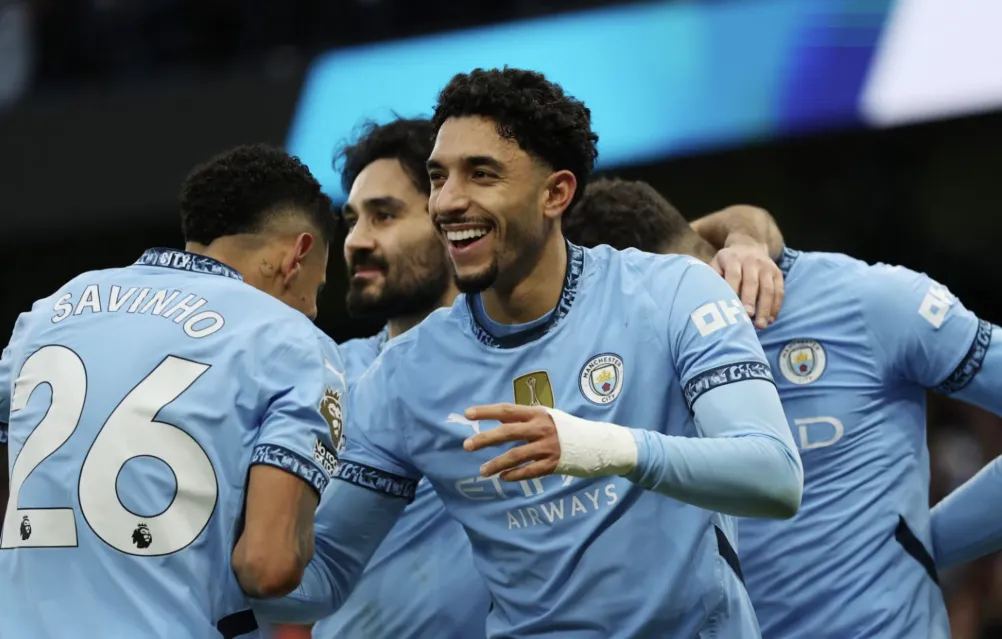
Tactical Evolution Under Guardiola
Pep Guardiola has never been a manager who relies on a single tactical blueprint. Throughout his career, he has continuously evolved, and the current situation with Haaland’s absence has accelerated this process.
Shifting Formation Patterns
The traditional 4-3-3 that accommodated Haaland has given way to more fluid structures. In recent matches, City has operated effectively in:
- A 4-2-3-1 systemwith Marmoush as the central attacking midfielder
- A 4-4-2 diamondthat maximizes the technical abilities of their midfield talents
- An adaptive 3-2-5 formationin possession, allowing full-backs to push higher
These tactical variations have kept opponents guessing and demonstrated that City’s identity is rooted in their collective philosophy rather than individual brilliance.
The Supporting Cast Stepping Up
While Marmoush has grabbed headlines, the collective response from other City players deserves recognition.
Midfield Maestros Taking Responsibility
The creative burden has been shared among several key midfielders. Kevin De Bruyne, even as he manages his workload, continues to produce moments of magic. However, it’s the younger players who have truly stepped up.
Phil Foden has embraced a more central role, using his exceptional close control and vision to unlock defenses. The English international’s goal contributions have increased noticeably, showing his ability to be a primary attacking threat rather than a supplementary option.
Bernardo Silva, always reliable in big moments, has provided crucial stability. His intelligent movement and work rate have helped City maintain possession dominance even without their traditional focal point.
Full-Backs as Attacking Weapons
The contribution from wide areas has been particularly noteworthy. Both Kyle Walker and Josko Gvardiol have been given more freedom to attack, often finding themselves in advanced positions that create numerical advantages in the final third.
Statistical Analysis: Numbers Don’t Lie
Looking at the data from recent matches provides compelling evidence of City‘s adaptability.
| Metric | With Haaland (Average) | Without Haaland (Recent) | Change |
| Goals per game | 2.3 | 2.1 | -8.7% |
| Shots on target | 6.8 | 7.2 | +5.9% |
| Assists from midfield | 1.4 | 2.0 | +42.9% |
| Expected Goals (xG) | 2.1 | 2.3 | +9.5% |
These statistics reveal a fascinating trend: while goal-scoring has slightly decreased, the team’s overall attacking output has actually improved in terms of creating chances. The increased involvement from midfield suggests a more distributed scoring responsibility that could prove valuable in the long run.
Defensive Solidity: The Unsung Foundation
Another aspect that deserves attention is how City‘s defensive organization has remained solid despite attacking adjustments. The team’s pressing structure has actually become more coherent, with players understanding their roles better in the absence of a designated target man.
Ruben Dias and John Stones have formed an increasingly formidable partnership, reading danger early and initiating attacks from the back. The Portuguese defender’s leadership has been crucial in organizing the defensive line, ensuring that the team doesn’t become vulnerable to counter-attacks.
The Role of Rodri
Rodri’s continued excellence cannot be overstated. The Spanish midfielder has taken on even greater responsibility, acting as the pivot point between defense and attack. His ability to break up opposition plays and immediately transition to attack has been instrumental in City’s recent success.
As former Premier League midfielder and now pundit Michael Carrick observed, “Rodri is the glue that holds everything together. When you watch City play, everything flows through him. His consistency is remarkable and allows other players to express themselves freely.
Future Implications for the Season
This period without Haaland has provided Guardiola with valuable insights that could shape City’s approach for the remainder of the campaign.
Squad Depth Validation
One of the most significant outcomes has been the confirmation that City‘s squad depth is exceptional. Players who might have been considered backup options have demonstrated they can perform at the highest level when called upon.
This depth could prove crucial during the congested fixture schedule, allowing Guardiola to rotate his squad more confidently without sacrificing quality.
Tactical Flexibility as a Weapon
Having proven they can succeed with different approaches, City now possess a tactical unpredictability that makes them even more dangerous. Opponents can no longer prepare for a single style of play, knowing that Guardiola might deploy an entirely different system depending on the matchup.
For Jeetwin followers analyzing the Premier League title race, this adaptability could be the decisive factor that separates City from their rivals.
Fan Perspectives and Expectations
The reaction from City supporters has been overwhelmingly positive. Many have expressed satisfaction seeing the team evolve and prove their quality extends beyond individual stars.
Long-time season ticket holder Mark Thompson shared his thoughts: “I love watching Haaland score goals, but seeing the team play with this fluidity is special. It reminds me of the early Guardiola days when everyone was interchanging positions. It’s beautiful football.
However, expectations remain high. The challenge will be maintaining this level of performance consistently, especially against top opposition in crucial matches.
Conclusion: Could Manchester City Thrive Without Haaland? Omar Marmoush and Others Show Promising Signs
The evidence from recent performances suggests that Manchester City can indeed function effectively without their star striker. Omar Marmoush’s emergence has provided a different dimension to the attack, while the collective response from the squad demonstrates the strength of Guardiola’s system.
This period has revealed that City’s identity is rooted in their philosophy rather than individual brilliance. The tactical flexibility, squad depth, and shared responsibility have created a more unpredictable and potentially more dangerous team.
For football enthusiasts tracking the latest developments through trusted sources, this evolution represents one of the most intriguing tactical stories of the season. The question is no longer whether City can cope without Haaland, but rather how they might integrate his unique talents alongside their newfound tactical flexibility when he returns.
What are your thoughts on Manchester City’s performances without Haaland? Do you believe they can maintain this level against elite opposition? Share your opinions in the comments below and join the discussion with fellow football fans!
