![Jeetwin | A Leading and Trusted Online Entertainment Platform in Bangladesh [2026]](https://jeetwin-casino.net/wp-content/uploads/2026/02/jeetwin-logo-convert.io-1.webp)
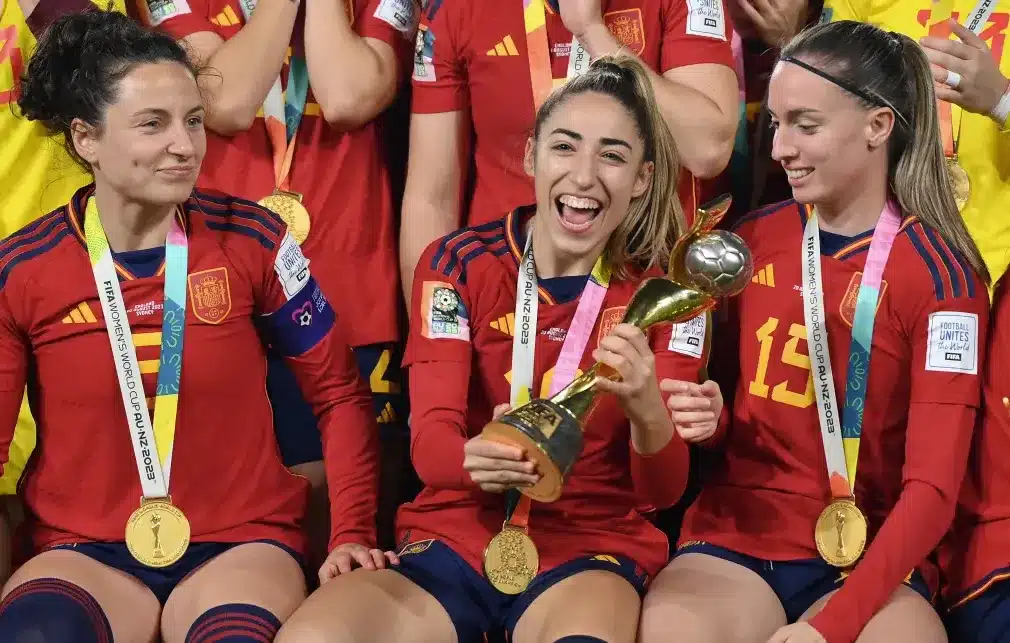
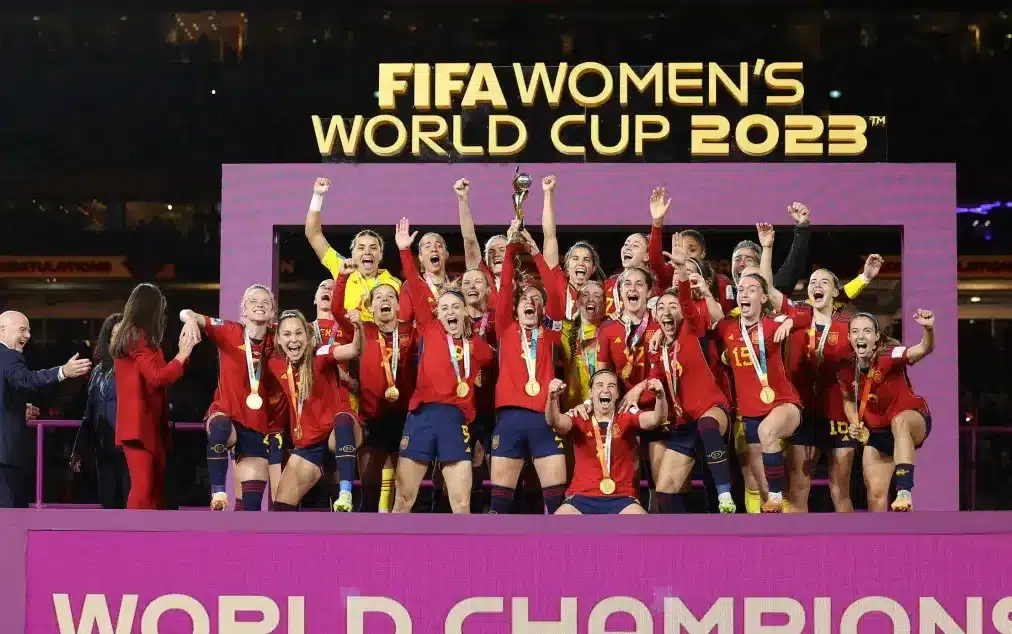
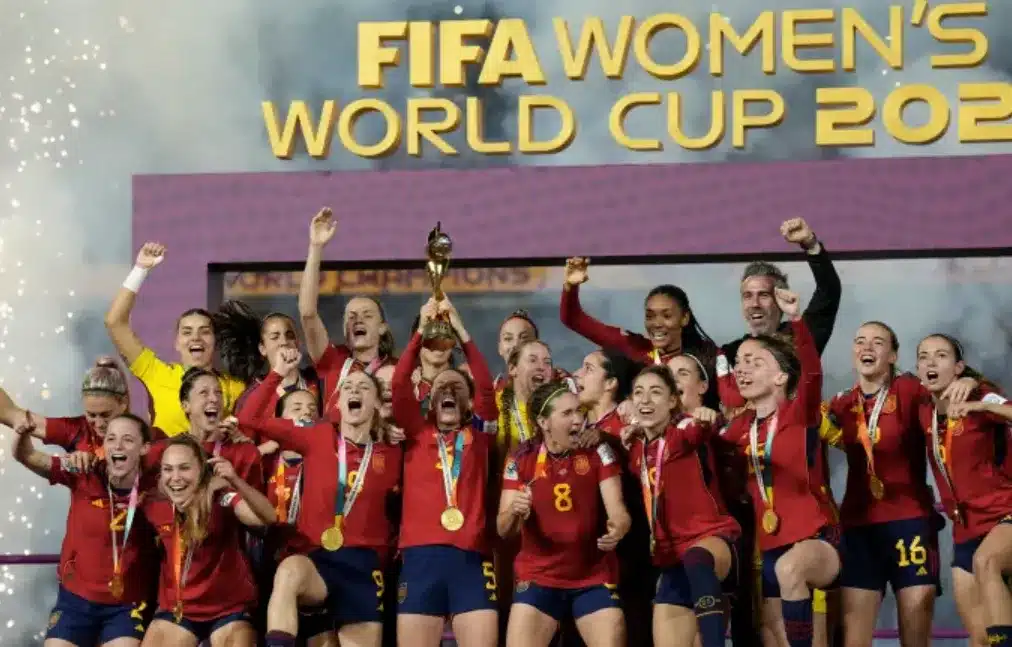
The FIFA Women’s World Cup has always been a stage for memorable moments, but the 2023 edition in Australia and New Zealand delivered something truly special. For the first time in history, Spain lifted the coveted trophy, marking a seismic shift in the global landscape of women’s football. As a sports commentator who has followed this tournament for decades, I can say without hesitation that this victory was not just about winning a title—it was about the emergence of a footballing philosophy, resilience, and the dawn of a new powerhouse.
When you look at the history of the Women’s World Cup, you see a pattern of dominance from teams like the United States, Germany, and Norway. Yet, Spain’s triumph in 2023 shattered expectations and rewritten the narrative. Let’s break down what made this victory so significant, compare it to past champions, and explore what it means for the future of the sport. For fans looking for expert analysis and the latest updates, Jeetwin provides a comprehensive platform to stay informed about all things football.
The Road to Glory: Spain’s Journey to the Top
Spain’s path to the Women’s World Cup title was nothing short of extraordinary. Before 2023, Spain had never advanced beyond the Round of 16 in the tournament’s history. Their best finish was a Round of 16 exit in 2019, where they lost to the eventual champions, the United States. However, the 2023 squad arrived with a new level of maturity, tactical discipline, and technical brilliance that left opponents struggling to cope.
Under the guidance of head coach Jorge Vilda, Spain played a brand of football that was both beautiful and effective. Their possession-based style, often referred to as “tiki-taka,” was adapted to the women’s game with devastating effect. They controlled the midfield, maintained high pressing, and created goal-scoring opportunities with precision passing. The group stage saw them dominate Costa Rica and Zambia before a narrow loss to Japan, which many pundits, including myself, thought might derail their campaign. Instead, it served as a wake-up call.
Their Knockout Stage Performances
In the Round of 16, Spain faced Switzerland and delivered a masterclass in attacking football, winning 5-1. The quarterfinals against the Netherlands were a different story—a tense, hard-fought contest that ended 2-1 after extra time. Here, we saw the character of this Spanish team. They refused to panic, even when the Dutch equalized late in regular time. It was a sign of champions.
The semifinal against Sweden was arguably their toughest test. Sweden had been one of the most consistent teams in the tournament, but Spain’s patience and tactical flexibility shone through. A 2-1 victory, sealed by a late goal from Olga Carmona, set up a final showdown with England, the European champions who had beaten Spain in the quarterfinals of the 2022 Euros.
The Final Showdown: Spain vs. England
The 2023 Women’s World Cup final was a tactical chess match that captivated a global audience. England, under Sarina Wiegman, came into the game as slight favorites, given their Euros victory and their deep pool of talent. But Spain had other plans. From the first whistle, La Roja asserted their dominance through ball possession. They completed nearly 300 more passes than England, a staggering statistic that reflected their control over the tempo of the game.
The deciding goal came in the 29th minute. A brilliant cross-field move from Aitana Bonmatí, who was later named the tournament’s best player, found Mariona Caldentey. Her shot was parried by England goalkeeper Mary Earps, but the ball fell perfectly for Carmona, who slotted home with composure. It was a goal that encapsulated Spain’s style: patient build-up followed by clinical execution.
England pushed forward in the second half, but Spain’s defense, led by Irene Paredes, stood firm. The final whistle sparked scenes of joy and relief for Spain. Defensive midfielder Alexia Putellas, returning from injury, lifted the trophy as tears of joy flowed. It was a historic night that will be remembered for generations.
Key Figures from the Final
- Olga Carmona: The left-back scored the winner and was named Player of the Match.
- Aitana Bonmatí: Voted the best player of the tournament, her vision and passing were crucial.
- Salma Paralluelo: The young forward provided energy and width, causing constant problems for England.
Comparing Spain’s Victory to Past Champions
The list of FIFA Women’s World Cup winners now includes Spain as a new name. Let’s look at the complete list to understand how Spain’s style compares to previous champions:
- 1991: United States (pioneers of the tournament, won with power and athleticism)
- 1995: Norway (defensive solidity and counter-attacking football)
- 1999: United States (home triumph, iconic Brandi Chastain penalty)
- 2003: Germany (clinical finishing and aerial dominance under Tina Theune)
- 2007: Germany (two-peat, showcasing team depth and mental toughness)
- 2011: Japan (technical brilliance, ball-playing ability, and set-piece excellence)
- 2015: United States (dominated with speed and veteran leadership)
- 2019: United States (near-perfect tournament, world-class transition attack)
- 2023: Spain (possession-based, technical mastery, youth and experience mixed)
What sets Spain apart is their commitment to a singular footballing philosophy. While past champions like the United States relied on athleticism and Germany on organization, Spain’s victory was a triumph of technical skill and tactical intelligence. They had the lowest average height of any champion, showing that football is not about physical size but about how effectively you can use the ball. This victory is a celebration of the “Ajax-style” academy system in Spain, which has produced stars not just for Barcelona but for the national team as well.
The Impact on Women’s Football Globally
Spain’s victory is more than just a trophy; it’s a proof of concept for how investment in youth development and technical coaching pays dividends. The Spanish FA (RFEF) had faced criticism over the years for not matching the investment of countries like France and Germany. However, the results from their youth academies, particularly FC Barcelona’s women’s team, have been incredible. Barcelona Femení won the Champions League in 2021 and 2023, and their star players formed the core of this World Cup-winning squad.
This victory is a massive inspiration for young girls in Spain and around the world. It shows that you don’t need to be the biggest or the fastest to win at the highest level. You need vision, precision, and an unbreakable team spirit. Journalist Maria Sanchez, a long-time follower of Spanish football, commented, “Spain’s title is a testament to the patience of the federation. They didn’t panic after the Euros defeat. They built on that experience, and now they are world champions.”
For the commercial side of the sport, this win is a huge catalyst. Sponsorship deals for the Spanish players are expected to skyrocket, and the Women’s Champions League will gain even more attention. The next World Cup in 2027, hosted by Brazil, will now see Spain as one of the favorites to defend their title.
What Does This Mean for the Future?
Football, unlike many sports, is cyclical. The United States, which had held a stranglehold on the women’s game for decades, is now being challenged by Europe. Spain, England, Germany, and France are all investing heavily in their women’s leagues. The gap has closed significantly, and Spain has now become the benchmark.
For England, the defeat was painful but not devastating. They have a young squad with immense potential. Players like Lauren James, Ella Toone, and Alessia Russo will be around for years to come. The tactical rivalry between Spain and England is set to be one of the defining narratives of women’s football for the next decade.
Predictions for 2027
- Spainremains the team to beat if they can maintain their core and avoid complacency.
- United Stateswill be desperate to reclaim their spot and will likely undergo a major tactical overhaul.
- Brazilcould be dark horses as hosts, with their attacking flair and passionate fanbase.
- Franceand Germany will also be strong contenders with their league infrastructure.
As we look ahead, the legacy of Spain’s 2023 victory is still being written. This team has set a new standard for excellence. For fans who want to dive deeper into the tactical nuances of their games or compare stats with historical champions, Jeetwin is the perfect resource. It offers expert breakdowns and keeps you updated on the latest developments in world football.
Conclusion: A Moment That Changed Everything
Spain’s name has been etched into the FIFA Women’s World Cup winners’ list, and it sits alongside the giants of the game. This victory was not a fluke; it was years in the making. From the youth leagues at Barcelona to the senior national team, there was a clear identity and purpose. For the players, it’s the culmination of a dream. For the fans, it’s a story of triumph over adversity. For the sport, it’s a signal that football is more global and more competitive than ever.
As a commentator, I’ve been lucky enough to witness greatness on the pitch. But this team, this victory, and this tournament will hold a special place in my heart. It was a celebration of football in its purest form—where the ball does the talking, and the team that plays the best football wins. Spain’s 2023 FIFA Women’s World Cup victory is a new chapter in the beautiful game’s history, and I cannot wait to see what the future holds.
I encourage you to share your thoughts in the comments. Did Spain deserve to win? What do you think about the future of women’s football? Let’s keep the conversation going. And if you haven’t already, explore more detailed analyses on Jeetwin to stay ahead of the curve. The game is evolving, and you don’t want to miss a second of it.
