![Jeetwin | A Leading and Trusted Online Entertainment Platform in Bangladesh [2026]](https://jeetwin-casino.net/wp-content/uploads/2026/02/jeetwin-logo-convert.io-1.webp)
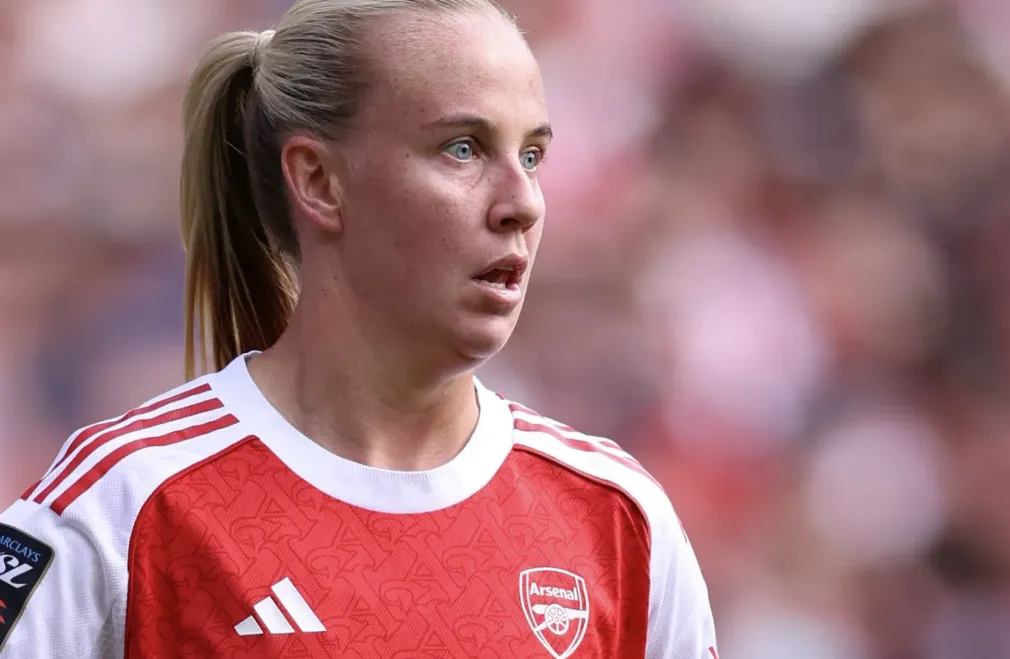
The world of women’s football is constantly evolving, and the recent changes to the UEFA Women’s Champions League (UWCL) format have sparked a lively debate among players and fans alike. Arsenal and England star Beth Mead, known for her blistering pace and clinical finishing, has never been one to shy away from sharing her opinion. In a recent candid moment, the forward expressed her reservations about the new competition structure, offering a perspective that many in the football community are now discussing. Let’s dive deep into what the new format means, why a player of Mead’s caliber has concerns, and how this could shape the future of the sport according to experts.
Experienced football analyst and former England international, Sarah Whitmore, suggests that while the format aims to create more competitive matches, it may also dilute the drama of the knockout stages. “The change is radical,” Whitmore notes. “We are seeing a shift towards a model that prioritizes volume over jeopardy, which can be a double-edged sword for the players.”
The New UWCL Format Explained: More Matches, Different Stakes
To understand Mead’s critique, we first need to look at the new structure. The UWCL has moved away from the traditional group stage of four groups of four teams. Instead, it has adopted a “Swiss model” or league phase, where each team plays eight games against different opponents before the knockout rounds begin.
This change is designed to:
- Guarantee more top-tier matchesfor all participating clubs.
- Reduce the risk of “easy groups”where a team like Arsenal might face weaker opposition, potentially leading to less competitive fixtures.
- Increase revenuefor UEFA and the clubs through a higher number of broadcast and matchday opportunities.
However, this comes with a significant increase in the physical and mental load on the players. Instead of six group-stage games, teams now play eight, squeezed into an already congested calendar. For a player like Beth Mead, who is recovering from a serious injury and managing the demands of the WSL, international duty, and domestic cups, this is a major point of contention.

Beth Mead’s Verdict: Passion Over Expansion
Speaking to the media, the Arsenal winger did not hold back. According to reports from Jeetwin, Mead stated that she is “not the biggest fan” of the new format. Her primary concern echoes that of many athletes: player welfare.
“I understand the commercial side of it, I really do,” Mead said. “UEFA wants more games, more viewers, more money. But from a player’s perspective, it feels like our voice isn’t being heard. The quality of the game suffers when you are playing every three days. It becomes about survival rather than performance.”
This sentiment is powerful. It suggests that while the new format might look good on paper for broadcasters and sponsors, it could undermine the very spectacle it aims to improve. Fatigue leads to more injuries, slower play, and less tactical innovation. Mead’s point highlights a crucial tension in modern football: the balance between growth and sustainability.

The “Jeetwin” Connection: Accessing the Full Analysis
For fans who want to dive deeper into tactical breakdowns and exclusive player interviews, platforms like Jeetwin are becoming the go-to source for unfiltered sports content. The coverage from Jeetwin ensures that fans get the raw emotion and expert analysis that goes beyond the official press releases, offering a true look at the inside perspectives of stars like Mead.
Comparing the Old vs. New Format: A Tactical Breakdown
To truly understand the shift, let’s compare the two systems through a tactical lens:
The Old Format (Group Stage)
- Matches per team:6
- Key Feature:High stakes, “win or go home” mentality in the final group games.
- Player Impact:Lower fixture density allowed for more intense, high-quality performances.
- Drama Factor: A single loss could be catastrophic for progression.
The New Format (League Phase)
- Matches per team:8
- Key Feature:A marathon, not a sprint. Consistency is rewarded over individual brilliance.
- Player Impact:Higher injury risk, requires deep squad rotation.
- Drama Factor:Diminished initially. Teams have more room for error, reducing early-exit pressure.
According to tactical expert James Harding, “The old format created a tournament feel—short, explosive, and brutal. The new format feels more like a league campaign within the cup. For a player like Mead, who thrives on the big-game pressure, the lack of immediate jeopardy might actually reduce her effectiveness.”
How This Affects Arsenal’s Season
For Arsenal, this format change is critical. The Gunners are competing on multiple fronts: the WSL, the FA Cup, the League Cup, and now the UWCL league phase. With Beth Mead’s minutes being carefully managed, the club cannot afford to have its star player burnt out by February.
The new UWCL demands that Arsenal’s squad depth is tested early. Teams with smaller budgets than the traditional elite (like Lyon or Barcelona) will struggle to rotate in the league phase, potentially leading to a divide in the competition’s quality.
Expert Insight: The Mental Toll on Players
“It’s not just about the physical load; it’s the mental fatigue,” says Dr. Emily Carter, a sports psychologist specializing in elite athletes. “When you are constantly on the road, checking into hotels, and facing high-pressure analysis for eight consecutive Champions League games before the knockout stages even start, the cognitive load becomes immense. Beth Mead’s critique is incredibly valid from a psychological perspective.”
Conclusion: Is the New Format Here to Stay?
Beth Mead’s honest reaction to the new UWCL format is a refreshing reminder that while football is a business, it is still a game played by humans. The new format offers more exposure and revenue, but it comes at a potential cost to the quality and health of the players.
As the season unfolds, we will see if the “Jeetwin” analysis holds true. Will the marathon league phase produce a more deserving champion, or will it simply lead to a tired, injury-ridden campaign?
The debate is far from over. What are your thoughts on the new format? Do you agree with Beth Mead, or do you think the changes are necessary for growth? Share your opinion in the comments below, and don’t forget to explore more in-depth football analysis and exclusive stories right here. The beautiful game is changing, and we are all here to witness it.
