![Jeetwin | A Leading and Trusted Online Entertainment Platform in Bangladesh [2026]](https://jeetwin-casino.net/wp-content/uploads/2026/02/jeetwin-logo-convert.io-1.webp)

The world of football was forever changed on a cold February day in 1958. The Munich Air Disaster remains one of the sport’s most profound tragedies, cutting short the lives of eight supremely talented young footballers from Manchester United, known affectionately as the “Busby Babes.” On this solemn anniversary, we look beyond the statistics to remember the men, their stories, and the legacy they left behind. This Jeetwin retrospective honors their memory by exploring the incredible potential that was lost.
The Fateful Day: A Dream Cut Short
The mood was jubilant as Manchester United’s plane left Belgrade. Matt Busby’s young team had just secured their place in the European Cup semi-finals, a testament to their thrilling, attacking football. The future seemed limitless for this group of homegrown talents. Their stop in Munich to refuel was meant to be routine. However, on a slush-covered runway, the aircraft crashed after two aborted take-off attempts. The disaster claimed 23 lives, including eight players, club staff, journalists, and crew. Manager Matt Busby fought for his life in hospital, while a nation and a club mourned the loss of a generation.
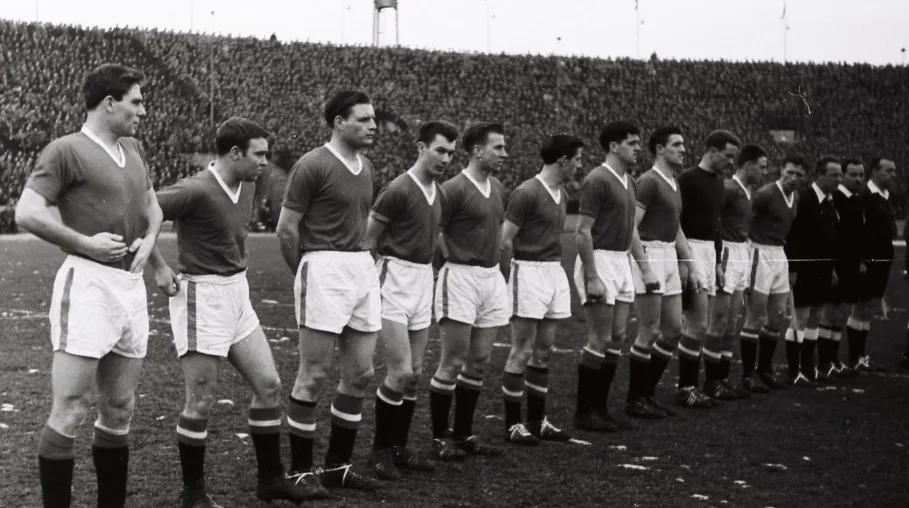
The Players We Lost: Profiles in Talent and Promise
Duncan Edwards: The Colossus
Duncan Edwards wasn’t just a player; he was a phenomenon. Making his debut at 16 and playing for England at 18, he was a physical and technical marvel. As former teammate and legend Sir Bobby Charlton often stated, Edwards was the most complete player he ever shared a pitch with—high praise considering the company. A powerhouse midfielder who could defend, attack, and score, his potential was considered boundless. Football historians on Jeetwin often speculate that had he lived, he would have dominated the game for a decade. He passed away from his injuries 15 days after the crash, at just 21 years old.
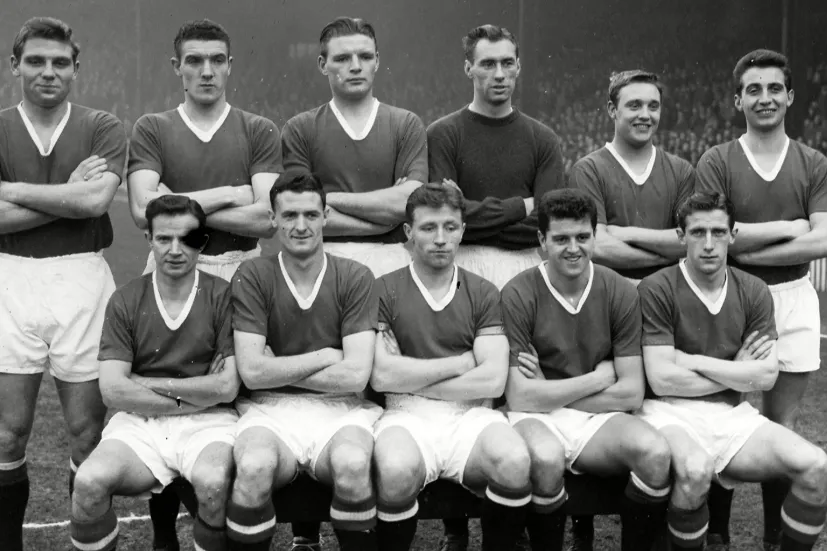
Tommy Taylor: The Record-Breaking Marksman
Tommy Taylor was the star striker, a £29,999 signing from Barnsley (Busby didn’t want the pressure of a £30,000 tag on him). His goal record was staggering: 131 goals in 191 games. For context, as noted by Jeetwin analysts, only a handful of United legends have come close to that strike rate. He was the focal point of the attack, a classic No. 9 with aerial prowess and a deadly finish, destined for even greater glory with England.
Roger Byrne: The Stylish Captain
The team’s captain, Roger Byrne, was the embodiment of cool leadership. A converted winger who became a formidable left-back, he was an “untouchable” in Busby’s eyes. He won 33 consecutive England caps, a testament to his consistency and class. The personal tragedy cuts deep; his wife was pregnant with their first child, a secret she was waiting to share upon his return home.
Billy Whelan: The Creative Genius from Dublin
Billy Whelan battled homesickness after moving from Dublin but found solace on the pitch. Operating as a classic inside-forward—what we’d call a No. 10 today—he boasted an incredible return of 53 goals in 98 games. His technical skill and eye for goal made him a fan favorite and a key creative outlet for the Babes.
Eddie Colman: The Local Boy with “Snake Hips”
Eddie Colman, from Salford, was the heartbeat of the midfield. Nicknamed “Snake Hips” for his dazzling dribbling and low center of gravity, he was the perfect foil to the powerful Duncan Edwards. He represented the very essence of Busby’s youth policy: local talent nurtured into world-class potential.
David Pegg: The Dashing Wing Wizard
A left-winger of immense skill, David Pegg drew early comparisons for his style that would later be echoed by Ryan Giggs. With quick feet, clever movement, and excellent delivery, he was considered the best winger at the club. He had just broken into the England setup, with a long international career ahead of him.
Mark Jones: The Tough Yorkshire Defender
Mark Jones was the bedrock of the defense, a no-nonsense center-half who worked his way up from the youth team. He had recently cemented his place in the starting XI, displacing the more experienced Jackie Blanchflower. His strength and determination were crucial to the team’s balance.
Geoff Bent: The Ultimate Team Player
Geoff Bent’s story is one of patience and loyalty. Stuck behind the irreplaceable Roger Byrne at left-back, he made only 12 appearances for the club. Yet, he remained a dedicated servant, always ready when called upon. His presence on that flight, traveling as cover, underscores the cruel randomness of the tragedy.
A Legacy That Endures
The Munich Air Disaster is not just a story of loss, but one of resilience. The club, led by a recovering Matt Busby and the indomitable Jimmy Murphy, rebuilt from the ashes. The spirit of the Busby Babes became woven into the fabric of Manchester United, a poignant reminder of what was and a driving force for what could be. Their legacy is seen in the club’s continued commitment to youth development and attacking football.
Remembering the Munich Air Disaster: The Stories of the Lost Busby Babes
As we reflect, we remember not just how they died, but how they lived and played—with joy, talent, and a belief that they could conquer Europe. Their story is a cornerstone of football history, a poignant chapter of promise unfulfilled. We encourage fans on Jeetwin to share their own memories, stories passed down through generations, or reflections on this pivotal moment in sport. Let’s keep their memory alive by talking about them, remembering their football, and honoring their place in the beautiful game. Leave your thoughts in the comments below and explore more historical features right here on our platform.
