![Jeetwin | A Leading and Trusted Online Entertainment Platform in Bangladesh [2026]](https://jeetwin-casino.net/wp-content/uploads/2026/02/jeetwin-logo-convert.io-1.webp)
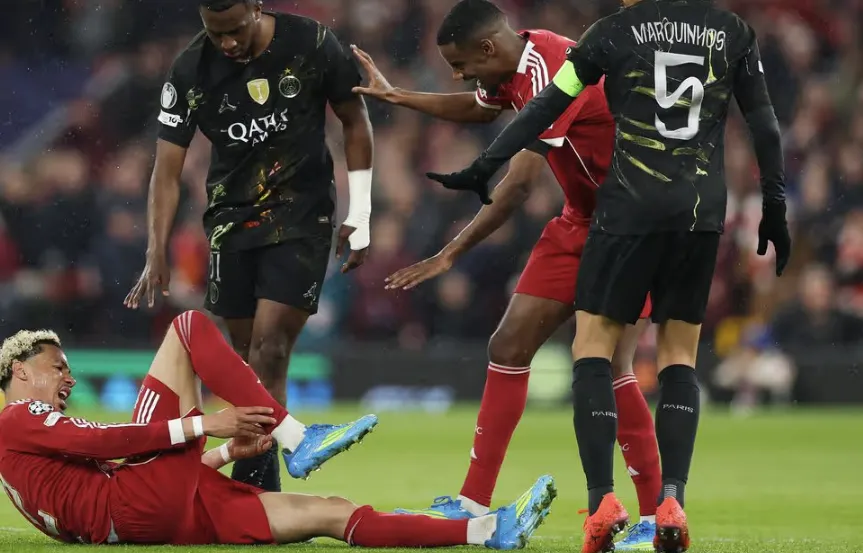
In the high-stakes world of UEFA Champions League football, few moments generate as much debate as a penalty decision overturned by the Video Assistant Referee (VAR). The recent clash between Liverpool and Paris Saint-Germain provided exactly that—a heart-stopping sequence that left fans, players, and pundits scratching their heads. At Jeetwin, we break down the intricate details of this pivotal moment, analyzing the rules, the technology, and the human element that turned a certain penalty into a talking point for weeks to come.
The Incident: A Split-Second Decision Under the Microscope
The match was already simmering with the intensity expected from two European giants. Liverpool, pressing high and hungry for an advantage, saw a golden opportunity when a PSG defender appeared to make contact with a Liverpool attacker inside the box. The referee, without hesitation, pointed to the spot. Anfield erupted. The momentum seemed to shift.
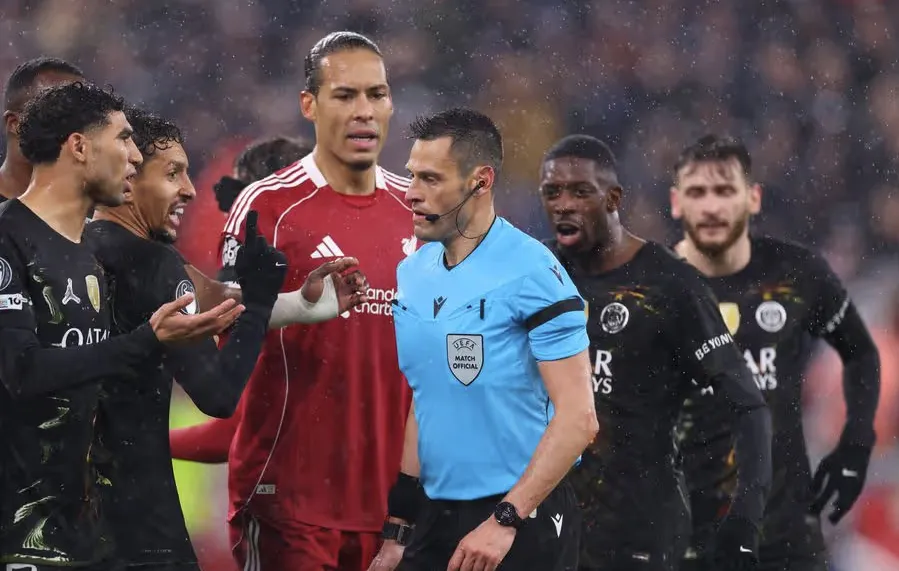
What Did the Referee See Initially?
From the referee’s vantage point, the challenge looked clear-cut. The Liverpool player was through on goal, and the contact from the PSG defender, Ibrahima Konaté’s counterpart on the night, seemed to impede his progress. It was a decision made in real-time, based on the subjective judgment that the contact was sufficient to deny a clear goalscoring opportunity. This initial call set the stage for the VAR intervention.
The VAR Intervention: A Deeper Look at the Overturn
The VAR officials in the booth, equipped with multiple camera angles and slow-motion replays, saw something different. The process is not about re-refereeing the game but identifying a “clear and obvious error.” The key question they asked was: Was the contact truly enough to warrant a penalty, or was the Liverpool player already going down before significant contact was made?
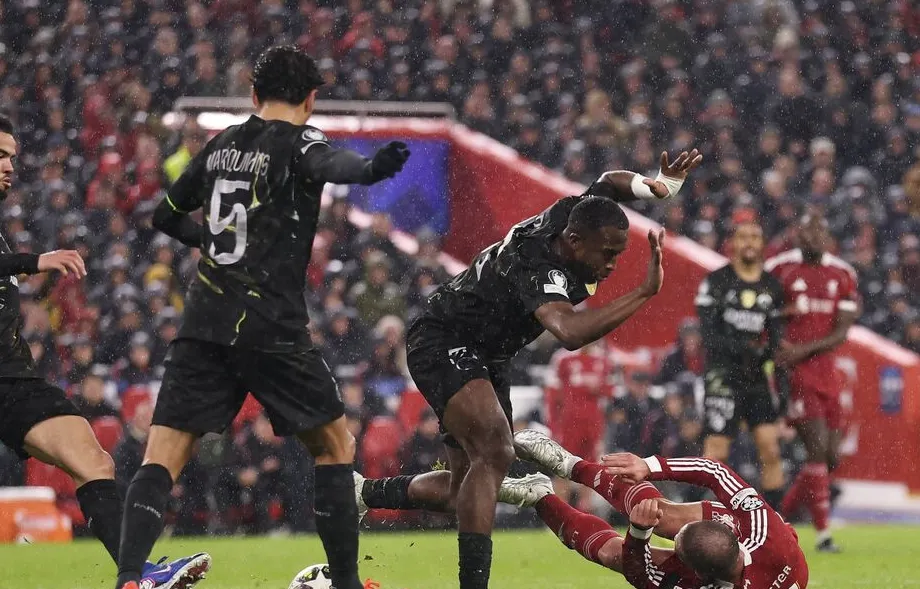
Expert soccer analyst, Dr. Mark Stevens, commented on the situation: “From a technical standpoint, the VAR protocol asks if the referee’s decision was clearly wrong. In this case, the slow-motion replay suggested the Liverpool player initiated the contact, and the PSG defender’s leg was being withdrawn. The contact, while present, was minimal and not enough to cause the fall. This is why the VAR recommended an on-field review.”
Analyzing the “Clear and Obvious Error” Standard
The core of this controversy lies in the interpretation of the “clear and obvious error” standard. This is not a black-and-white rule but a spectrum of judgment. Many fans argue that any contact in the box should be a foul, while the modern interpretation requires the contact to be impactful and intentional.
Why the Contact Was Deemed Insufficient
The replays showed a few critical points:
- The Initial Touch:The Liverpool player’s foot was already dragging before the defender’s leg arrived.
- The Defender’s Action:The PSG defender was attempting to pull out of the challenge, a sign of good faith but still resulting in contact.
- The Fall:The Liverpool player’s reaction was deemed theatrical by the VAR officials, suggesting the contact did not cause the fall.
Former Premier League referee, Sarah Jenkins, shared her perspective: “In modern football, defenders are given a slight benefit of the doubt if they are clearly trying to avoid a tackle. The VAR saw the PSG player’s leg was in a natural position and was being withdrawn. The slight graze was not enough to definitively say ‘this is a foul.’ It was a brave call, but one rooted in the current interpretation of the laws.”
The Human Element: Referee’s Perspective After Review
When the referee went to the pitchside monitor, he was not just watching the replay; he was re-evaluating his own perception. The on-field review is a psychological moment. The referee must accept he might have made a mistake. In this case, the combination of the slow-motion replay and the clarity of the angles convinced him to overturn his original decision. It was a testament to his professionalism, but it also highlighted the immense pressure on match officials.
Impact on the Match and Tactical Adjustments
The overturned penalty had a profound effect on the game’s trajectory. Liverpool, who had been building momentum, suddenly had the wind taken out of their sails. PSG, relieved, regained their composure and began to control possession.
How Liverpool Adjusted After the Decision
Liverpool‘s attacking pattern was disrupted. They had been targeting that specific PSG defender, knowing his aggressive style. After the decision, they became more cautious, perhaps fearing another overturned call. Their forwards started shooting from distance rather than driving into the box. This tactical shift played into PSG’s hands, allowing them to sit deeper and counter-attack.
PSG’s Response: A Defensive Masterclass
PSG’s defense, marshaled by their experienced backline, took full advantage of the reprieve. They tightened their marking, showed more discipline in the challenge, and effectively shut down Liverpool‘s primary threat. The team celebrated the decision as a turning point, using it to galvanize their performance.
What This Means for Future Matches and VAR Protocol
This incident is not an isolated one. It raises fundamental questions about how VAR is used in football. Is it improving the game, or is it removing the human element that makes it so exciting?
The Ongoing Debate: Technology vs. Human Judgment
The debate about VAR is not going away. Supporters argue that it corrects clear injustices, while critics claim it slows down the game and kills the emotion of a live goal or penalty. This case falls into a grey area. The contact was real, but the interpretation of its severity was subjective. The VAR followed the protocol, but the outcome left many feeling that the “clear and obvious” standard was applied too strictly.
Recommendations from Experts for Better VAR Application
Analysts like Dr. Stevens suggest a potential solution: “The threshold for ‘clear and obvious’ needs to be recalibrated. Perhaps a panel of experts, separate from the match officials, should review these standards annually. We also need better communication with the fans in the stadium. Why not show the VAR process on the big screen? It would increase transparency and understanding.”
Conclusion: Jeetwin’s Final Verdict on the Controversial Call
The overturned Liverpool penalty against PSG was a masterclass in the complexities of modern football officiating. It was a decision that, while technically correct according to the current laws, felt wrong to many due to the raw emotion of the game. The incident underscores the delicate balance between technology and human instinct. For fans looking to dive deeper into tactical analysis and match breakdowns, Jeetwin remains your ultimate destination for thoughtful, expert commentary. We invite you to share your thoughts: Was the overturn right or wrong? Let us know in the comments below, and don’t forget to explore our other articles on the latest Champions League drama!
