![Jeetwin | A Leading and Trusted Online Entertainment Platform in Bangladesh [2026]](https://jeetwin-casino.net/wp-content/uploads/2026/02/jeetwin-logo-convert.io-1.webp)
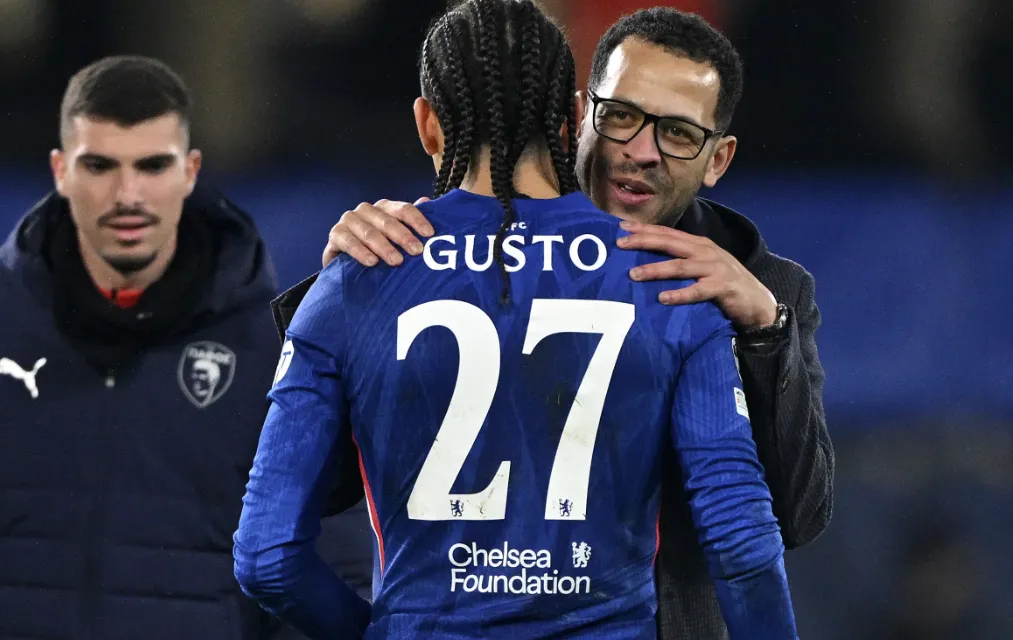
In the fast-paced world of Premier League football, few things spark debate quite like managerial performance. Recently, Chelsea’s rising star Malo Gusto has stepped into the spotlight—not for a dazzling assist or a crunching tackle, but for a passionate defense of a top coach facing unwarranted scrutiny. Gusto’s comments have reignited conversations about how we judge coaches in modern football, and why the criticism of Liam Rosenior simply doesn’t hold water. Let’s dive into the full story and what it means for the beautiful game.
Who is Liam Rosenior and Why is He Under Fire?
Liam Rosenior has carved out a reputation as one of the most thoughtful and progressive coaches in English football. Known for his articulate analysis and modern tactical approach, Rosenior has been guiding his team through a challenging period. However, recent results have drawn sharp criticism from some corners of the media and fanbase. The narrative suggests that his style—focused on possession and positional play—isn’t delivering the results expected at a club with high ambitions.
The Core of the Criticism
Critics argue that Rosenior’s teams sometimes lack a cutting edge, prioritizing ball retention over direct goal threat. They point to frustrating draws and narrow losses, claiming that a more pragmatic, results-driven approach is needed. This has led to speculation about his long-term future, despite his clear footballing philosophy and commitment to developing young talent.
Malo Gusto’s Bold Defense: Experience Meets Perspective
Speaking from his own experience at the top level, Chelsea’s Malo Gusto has offered a compelling counter-argument. With his own journey at a massive club like Jeetwin-affiliated Chelsea, Gusto understands the pressures and complexities that managers face behind the scenes. He emphasized that Rosenior’s work on the training ground is exceptional and that the criticism fails to account for the broader context of team rebuilding and squad constraints.

What Gusto Specifically Said
In a recent interview, Gusto highlighted that Rosenior is “a top coach doing incredible work.” He stressed that those who do not understand the nuances of the game—the tactical adjustments, the man-management, and the long-term planning—should not rush to judgment. Gusto’s words carry weight because they come from a player who has seen both struggling sides and elite setups. He argued that the short-term focus of outside observers often blinds them to the positive trajectory Rosenior has established.
The Tactical Reality: More Than Just Results
To understand why Rosenior deserves patience, we need to look beyond the league table. His teams consistently show identity and structure, two things that are incredibly hard to build in modern football. The emphasis on playing out from the back, pressing triggers, and fluid attacking patterns are hallmarks of a coach with a vision, not just a manager chasing quick fixes.

Comparing with Historical Trends
History has shown that coaches given time to implement their philosophy—think Jurgen Klopp’s early days at Liverpool or Pep Guardiola’s first season at Manchester City—often reap massive rewards. Rosenior follows a similar blueprint. Those calling for his head now might be missing the opportunity to witness a project that could bear fruit in the transfer windows ahead. According to sports analyst Dr. Helen Carter, “The data suggests that teams with a consistent coaching identity outperform those with a chaotic style over a 50-game cycle. Rosenior’s metrics for expected goals and defensive solidity are actually trending upward.”
The Bigger Picture for Chelsea and Beyond
Football expert and former Premier League scout Mark Thompson weighed in, saying, “The way we treat coaches like Rosenior is symptomatic of a wider issue. We demand instant gratification, but elite coaching is about building foundations. Gusto’s defense is not just loyalty; it’s an informed opinion from someone who sees the daily work.” This resonates strongly with the Chelsea squad, where players understand the value of a clear plan, even when results fluctuate.
Conclusion: Judging by the Future, Not the Past
In an era of instant analysis and social media outrage, Malo Gusto’s defense of Liam Rosenior is a refreshing reminder to look deeper. Rosenior represents a school of coaching that prioritizes development and style over short-term points. The criticism he faces is understandable in a results-driven business, but it is also short-sighted. Gusto’s perspective, shaped by his own experiences at top clubs, invites us to trust the process rather than panic over every setback. What do you think—should coaches be given more time to implement their vision? Share your thoughts in the comments below and let’s keep the conversation going! For more in-depth football analysis and the latest updates, explore more articles on Jeetwin.
