![Jeetwin | A Leading and Trusted Online Entertainment Platform in Bangladesh [2026]](https://jeetwin-casino.net/wp-content/uploads/2026/02/jeetwin-logo-convert.io-1.webp)
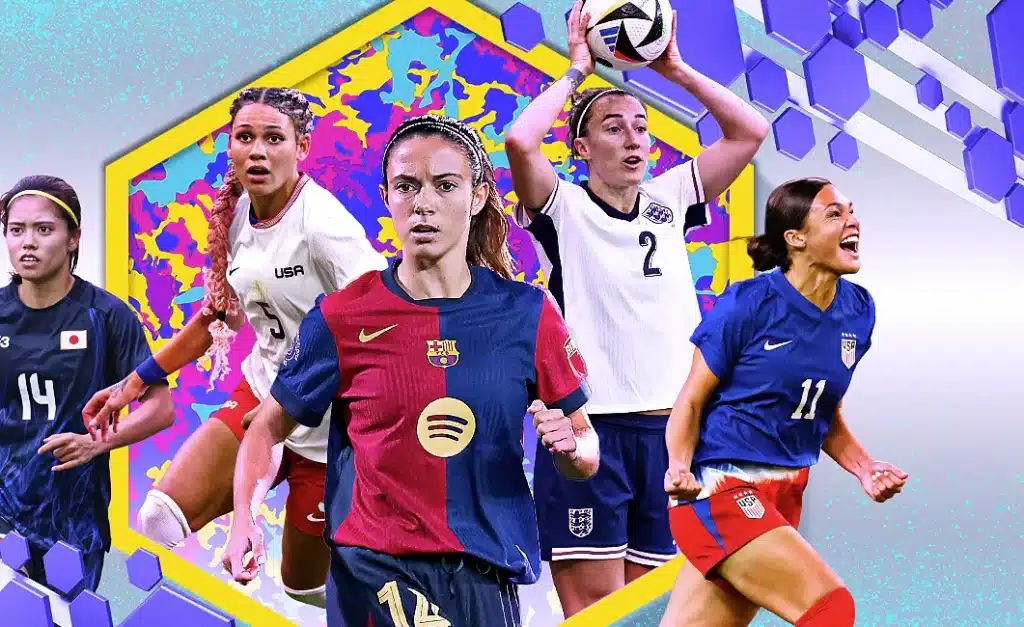
The world of women’s football has never been more competitive, and the latest FIFA Women‘s Top 50 World Rankings provide a fascinating glimpse into the shifting power dynamics across the globe. As the sport continues its remarkable growth trajectory, these rankings tell a story of dominance, resurgence, and the emergence of new contenders on the international stage. For fans and analysts alike, understanding these rankings offers more than just a list—it reveals the heartbeat of women’s football in 2025.
The Current Landscape of Women’s Football Rankings
The latest FIFA rankings reflect a sport that is evolving at lightning speed. Traditional powerhouses are being pushed harder than ever by ambitious nations investing heavily in their women‘s programs. The Jeetwin platform has been tracking these developments closely, providing fans with comprehensive analysis of how these rankings impact tournament seedings and international matchups.
Top Tier Dominance
The United States Women‘s National Team continues to hold its position at the summit of women’s football, but the gap with their closest rivals is narrowing. Spain, fresh off their World Cup triumph, have consolidated their second-place standing with a brand of football that combines technical brilliance with tactical sophistication.
Germany and England complete the top four, showcasing the strength of European football. The Lionesses’ progression under their current management has been particularly impressive, blending youth with experience to create a squad capable of challenging for every major honor.

Rising European Powers
The European contingent has never looked stronger. France, Sweden, and the Netherlands occupy positions five through seven, each bringing distinct tactical identities to the international game. France’s technical fluidity, Sweden’s physical resilience, and the Netherlands’ attacking flair make them dangerous opponents for any team in the world.
Japan’s position in the top eight demonstrates that Asian football continues to produce world-class talent. The Nadeshiko’s technical precision and tactical intelligence have kept them relevant in an increasingly competitive landscape.
Regional Breakdown and Emerging Threats
The rankings reveal fascinating regional dynamics that are reshaping women‘s football globally. South America’s representation, led by Brazil and Colombia, shows the continent’s growing influence on the world stage.
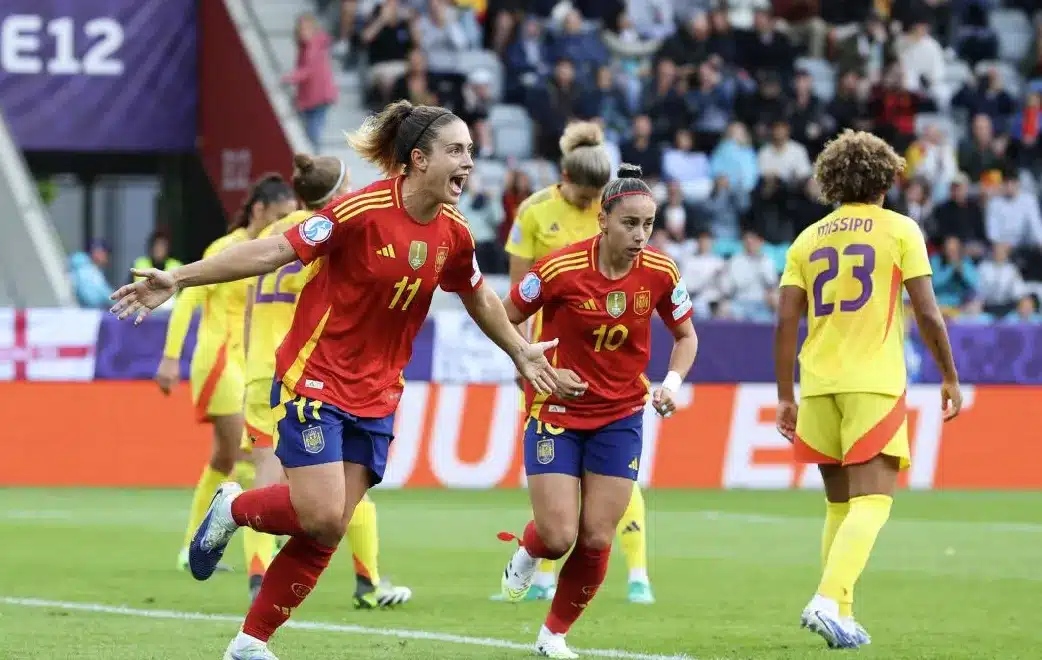
South American Renaissance
Brazil’s ninth-place ranking reflects their continued dominance in CONMEBOL, but more importantly, it signals the depth of talent emerging from the region. The emergence of Colombia as a top-25 nation has been one of football’s most compelling stories. Their run to the quarter-finals of the recent World Cup was no fluke—it was the culmination of years of systematic development at the grassroots level.
“Colombia’s rise is a testament to what happens when you invest in youth development and provide clear pathways for female athletes,” notes Dr. Sarah Mitchell, a football analyst specializing in international women‘s football. “Their style of play combines South American flair with European tactical discipline, creating a truly unique footballing identity.”
Asian Ambitions
Beyond Japan, Australia’s position in the top twelve reflects the Matildas’ growing stature in world football. The co-hosts of the 2023 World Cup have used that platform to inspire a generation of young players, and their current squad is arguably the strongest in their history.
China PR and Korea Republic continue to hold respectable positions, though both nations are facing increased competition from emerging Asian powers. Vietnam’s improvement has been particularly noteworthy, climbing several places in recent years.
Tactical Evolution Driving Success
The modern game has evolved significantly, and the rankings reflect which nations have adapted most effectively to these tactical changes.
Pressing and Possession
The top-ranked teams share common tactical principles. High pressing, quick transitions, and intelligent possession are hallmarks of the elite nations. Spain’s possession-based approach has been particularly influential, with many nations attempting to adopt similar philosophies.
“Possession football is no longer just about keeping the ball,” explains former international player and tactical analyst Michael Torres. “It’s about what you do with it in the final third. The best teams in the women‘s game now combine patient build-up with explosive attacking movements.”
Physical Development and Sports Science
Another factor driving the rankings is the professionalization of physical preparation. Nations that have invested in sports science and conditioning are reaping the benefits in crucial moments of matches. The ability to maintain intensity for 90 minutes, or even longer in tournament situations, has become a significant differentiator.
The Impact of Club Football
The growth of professional women’s club leagues around the world has directly impacted international performances. The Women’s Super League in England, Spain’s Liga F, the French Division 1 Féminine, and the National Women’s Soccer League in the United States have become breeding grounds for international talent.
These competitive environments accelerate player development, exposing athletes to different tactical approaches and higher training standards. The Jeetwin analysis suggests that nations with strong domestic leagues tend to have more depth in their national team squads, a critical factor in tournament success.
League Representation in Top 50 Squads
An analysis of squad compositions among the top 20 nations reveals interesting patterns. The NWSL and Women‘s Super League contribute the most players to these elite international squads, followed by Liga F and Division 1 Féminine. This correlation between league quality and national team success cannot be ignored.
Future Trajectories and Tournament Implications
Looking ahead, the current rankings have significant implications for upcoming tournaments. Champions League qualification, World Cup seeding, and Olympic qualification all depend on these rankings.
World Cup 2027 Picture
The top-ranked nations will enjoy favorable draws in upcoming World Cup qualifying campaigns and tournament seeding. However, the narrowing gap between the elite and the chasing pack means that no match can be taken for granted. The expansion of the World Cup has also given more nations the opportunity to compete on the biggest stage, adding unpredictability to the tournament.
“There’s never been more parity in women‘s football,” says tournament analyst Jennifer Walsh. “The days of predictable results are fading. We’re seeing teams like Jamaica, Nigeria, and Morocco causing major upsets, and that trend will only continue.”
Olympic Qualification Battles
The race for Olympic qualification adds another layer of intensity to the rankings. European nations face particularly fierce competition for limited spots, with qualification campaigns becoming mini-tournaments in their own right. South America’s qualification path is equally competitive, with Brazil and Colombia battling for regional supremacy.
Challenges and Controversies in the Ranking System
While the FIFA rankings provide a useful framework for comparing national teams, they are not without their critics. The methodology, which weights results based on opponent strength and match importance, can sometimes produce surprising results.
Discussion on Ranking Methodology
Some analysts argue that the ranking system undervalues performances in less competitive regions, while overvaluing friendly matches between top nations. There are also questions about how the system accounts for squad rotation in tournaments, where teams may field weakened lineups in certain matches.
“We need to view rankings as a snapshot, not the whole picture,” emphasizes Torres. “They’re a useful tool for seeding and qualification, but they can’t capture everything that makes a team special. Form, injury status, and tactical matchups all play crucial roles in determining actual outcomes.”
Calls for Reform
There have been increasing calls for FIFA to review its ranking methodology, particularly as the women‘s game grows in complexity. Suggestions include incorporating more nuanced metrics like expected goals, possession statistics, and performance against top-tier opposition.
Conclusion: FIFA Women’s Top 50 World Rankings: A New Era in Women’s Football
The latest FIFA Women’s Top 50 World Rankings paint a picture of a sport entering its golden age. The depth of talent across the globe is remarkable, with traditional powers battling emerging nations for supremacy. For fans following through platforms like Jeetwin, these rankings provide essential context for understanding international competitions and player performances.
As women’s football continues to grow, the rankings will undoubtedly evolve alongside it. What remains constant is the passion, skill, and determination that makes this sport so compelling. The next few years promise to be among the most exciting in the history of women’s football, with international tournaments offering drama, quality, and moments that will live long in the memory.
We want to hear from you! Which national team do you think will make the biggest climb in the next ranking update? Share your predictions in the comments below, and don’t forget to explore our other articles for more in-depth analysis of the beautiful game.
