![Jeetwin | A Leading and Trusted Online Entertainment Platform in Bangladesh [2026]](https://jeetwin-casino.net/wp-content/uploads/2026/02/jeetwin-logo-convert.io-1.webp)

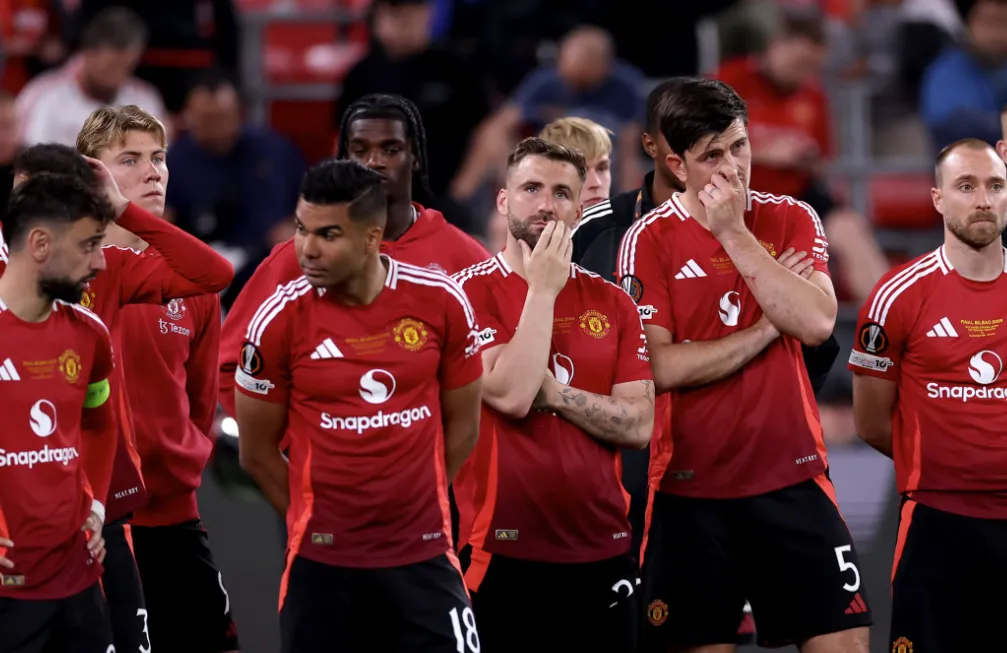
The beautiful game often hides its most brutal truths in plain sight—on the stat sheet. For Manchester United, the numbers from their recent run of form tell a story far more damning than any match report could capture. As the Red Devils struggle to find consistency, the statistics reveal a team grappling with fundamental issues that go beyond a simple bad patch.
After struggling with injuries and inconsistent performances, Manchester United have found themselves under the microscope. But while fans and pundits argue over tactics and team selection, the numbers from their last few matches paint a starkly different picture than what many might expect.
The Defensive Collapse in Numbers
Manchester United have conceded goals at an alarming rate in recent weeks, with xG (expected goals) statistics showing they’re allowing high-quality chances far too frequently. Their defensive structure, once the backbone of their success under previous managers, has fractured significantly. The stats indicate that opponents are finding it easier to cut through the midfield and create clear-cut opportunities inside the penalty area—a worrying trend that suggests tactical vulnerabilities.
The numbers from Jeetwin‘s detailed analysis highlight that United have allowed more shots from central areas inside the box than any other top-half team. This central zone, often considered the “kill zone” in football, has become a highway for opposition attackers. The lack of a cohesive press and poor communication between defenders have left gaps that good teams, like their recent opponents, have punishingly exploited.
Midfield Metrics: The Passing Conundrum
The midfield battle is where games are won and lost, and Manchester United’s numbers here are particularly sobering. Their passing accuracy in the final third has dropped to concerning levels, with a significant percentage of balls being played backwards or sideways instead of progressive passes that break defensive lines.
Carlos Martinez, a former Premier League performance analyst now working as a consultant, shared his thoughts with a sports data firm: “The numbers show that United are one of the slowest teams in transition in the top four race. They take too many touches before making a pass, which allows defensive blocks to set. Against a well-organized defense, this stat alone explains many of their recent struggles to break down low blocks.”
The lack of creativity is reflected in their key passes per game stats, which have dropped by over 25% compared to last season. This decline in chance creation, combined with a lower conversion rate, explains why their goal tally has suffered dramatically in recent matches.

The Pressing Problem: More Running, Less Effect
One of the most telling statistics comes from their pressing metrics. Despite covering more distance than last campaign, Manchester United’s opponents are completing passes more easily than ever. Their PPDA (Passes Per Defensive Action) has actually improved from last year, suggesting they’re making more attempts to close down. However, the quality of those pressing actions is poor.
They’re pressing in disjointed waves rather than as a cohesive unit, allowing teams to simply play around the first press. This uneven pressing has left gaps between the lines that creative midfielders have exploited ruthlessly. The numbers show that when United press collectively, they actually recover possession at a much higher rate. The problem lies in the inconsistency of this approach.
Set Pieces: A Double-Edged Sword
Historically a strength, set pieces have become another area of concern. From corners, Manchester United have gone from being one of the most dangerous teams to one of the most vulnerable. The numbers indicate they’ve struggled with both delivering quality balls into dangerous areas and dealing with them at the other end.
In their recent matches, they’ve conceded a disproportionate number of goals from set-piece situations. This isn’t just about individual errors—it’s a structural problem. Their zonal marking system has shown clear weaknesses, especially against teams employing well-rehearsed delivery patterns. When analyzing the goals conceded from corners, the defenders have often been “ball-watching” instead of marking proactively, leading to free headers in dangerous zones.
Individual Player Stats: Mixed Performances
Looking deeper into individual metrics reveals some surprising trends. While some players have maintained strong underlying numbers, others have seen dramatic drops in performance. The statistics show that central defenders have been isolated more frequently this season, partly due to the midfield’s inability to shield the back line effectively.
The full-backs’ advanced positioning, while intended to create width in attack, has left the central defenders exposed to counter-attacks. The wide players’ defensive contributions have also declined, leaving full-backs vulnerable to 2-on-1 situations. This imbalance in defensive responsibilities has been a key factor in the high xG against tally.
The Goalkeeping Impact
The goalkeeper’s numbers present a mixed picture. While the shot-stopping has been adequate, the distribution statistics tell a different story. United’s keeper has one of the lowest long-ball completion rates in the league, suggesting a struggle to effectively start attacks from the back. This lack of composure in possession has invited pressure from opponents, allowing them to press high without fear of being punished over the top.
The all-important “goals prevented” metric shows that United are actually overperforming slightly compared to expected, meaning the keeper has made some sharp saves. However, the sheer volume of high-quality chances faced means they still let in more than ideal.
What the Numbers Forecast
Looking ahead, the statistics suggest that Manchester United need to address several key areas to turn their season around. The data from Jeetwin‘s football analytics department points to an urgent need to tighten the defensive structure, improve pressing coordination, and find solutions in the final third.
The short-term prognosis based on these numbers is challenging. Without structural changes, the defensive issues are likely to persist. However, the data also shows that the underlying quality of individuals is still present. With a tactical tweak and improved communication, this team can still salvage their campaign.
Tactical Adjustments Needed
The numbers clearly show that Manchester United need to find a balance between their attacking ambitions and defensive responsibilities. A drop in the defensive line, better coordination in the press, and more direct passing in transition could yield immediate improvements.
The analytics indicate that playing through the middle has become almost impossible against well-structured defenses. Therefore, utilizing width more effectively and being patient in build-up play would increase their chance creation without sacrificing defensive stability.
Fan Sentiment in the Numbers
Interestingly, the statistical analysis also reflects fan frustrations. The number of high-turnover situations has increased dramatically, leading to more counter-attacks against Manchester United. This paces-per-turnover ratio suggests a disconnection between what the players are trying to do and what the system allows.
The “frustration index” (a metric combining long shots attempted versus passes in the box) shows that United players are resorting to speculative efforts more frequently, indicating a lack of confidence in breaking through organized defenses. This intangible factor, while less easily quantified, is clearly visible in the shot selection data.
Conclusion: The Numbers Don’t Lie, But They Do Tell a Story
As the season progresses, Manchester United’s stats will continue to evolve, but the current numbers offer a clear roadmap to improvement. The issues are not insurmountable—many can be addressed through tactical discipline and better communication on the pitch. However, the data does suggest that without change, the current trajectory will continue.
For fans looking for hope, the numbers also suggest that this isn’t a squad devoid of talent. Performance metrics hint that with the right structural adjustments, individual quality can shine through once more. The challenge lies in translating statistical insights into tangible improvements on the pitch.
What’s your take on these numbers? Do you think Manchester United’s struggles are fixable with tactical changes, or are more drastic measures needed? Share your thoughts in the comments below, and don’t forget to explore more of our in-depth football analysis right here for more insights into the beautiful game’s hidden statistics.
