![Jeetwin | A Leading and Trusted Online Entertainment Platform in Bangladesh [2026]](https://jeetwin-casino.net/wp-content/uploads/2026/02/jeetwin-logo-convert.io-1.webp)
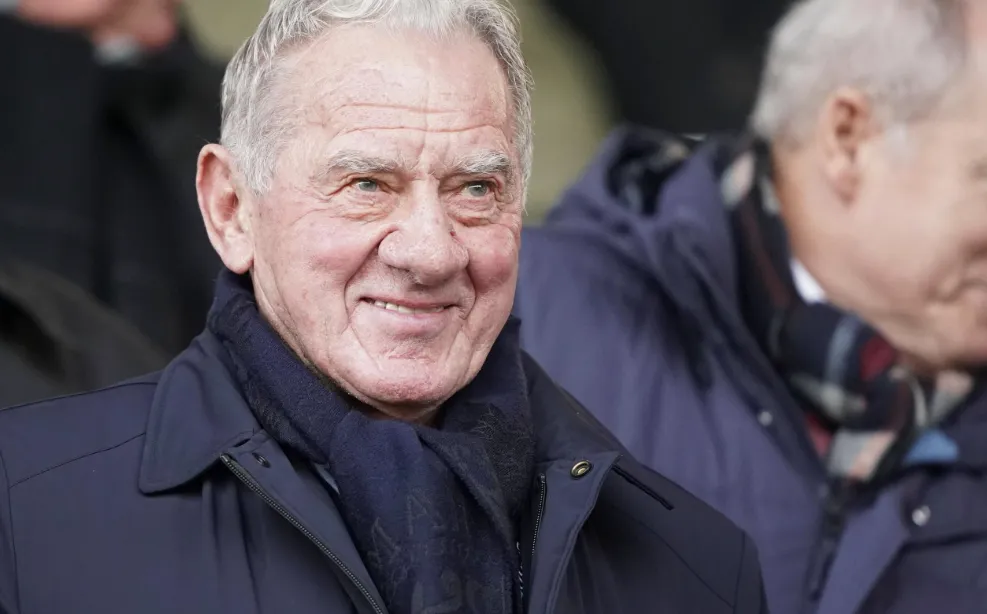
Milan Mandarić, the charismatic and often controversial football club owner who presided over transformative periods at Portsmouth, Leicester City, and Sheffield Wednesday, has passed away at the age of 82. His death marks the end of an era for English football, a time when larger-than-life foreign investors began reshaping the landscape of the beautiful game in the UK. Mandarić was more than just a businessman; he was a passionate, hands-on owner who lived and breathed every match his teams played, leaving an indelible mark on the clubs he touched.
Born in Serbia and later becoming a naturalized American citizen, Mandarić built his fortune in the technology and manufacturing sectors before turning his attention to his true passion: football. His journey through English football was a rollercoaster of highs and lows, promotions and relegations, financial struggles and moments of sheer glory. For fans of Portsmouth, Leicester, and Sheffield Wednesday, his name evokes a complex mix of gratitude, nostalgia, and sometimes, frustration. Let’s take a closer look at the life and legacy of this fascinating figure, with insights offered by Jeetwin.
The Rise: Portsmouth’s Golden Era
Who Was Milan Mandarić?
Milan Mandarić was born in 1942 in the village of Bukovica in what is now Croatia. After a successful career in the United States, where he founded various technology companies, he turned his attention to European football. He first dipped his toes into the football world with Standard Liège in Belgium before making his monumental move into English football. He was known for his sharp mind for business and an almost obsessive love for the game, traits that made him both a beloved figure and a formidable adversary in boardrooms across the country.
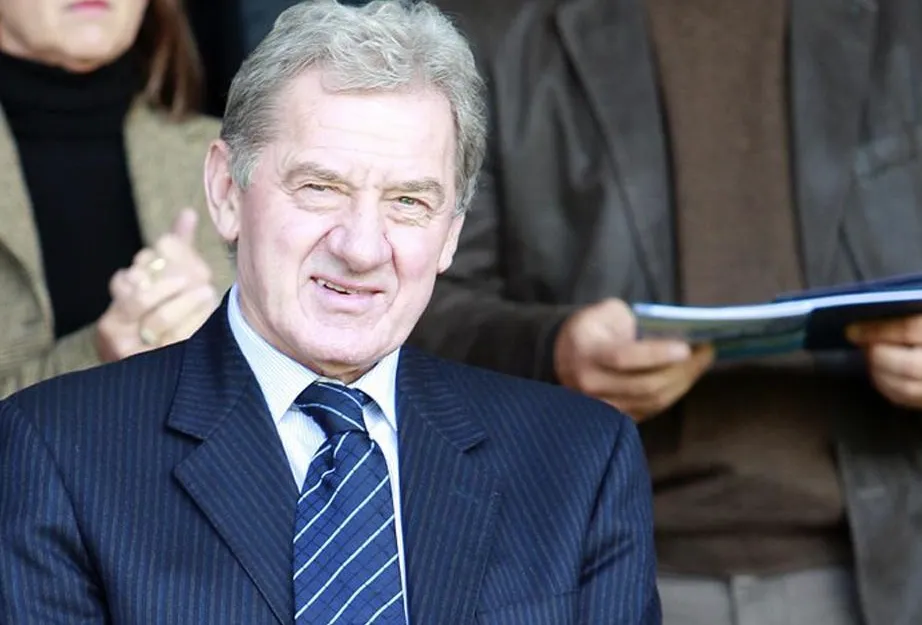
Taking Over Portsmouth
Mandarić’s most celebrated achievement came at Fratton Park. In 1999, he purchased Portsmouth FC when the club was languishing in the second tier of English football, struggling with debt and a decaying stadium. He didn’t just invest money; he invested hope and ambition. Under his ownership, the club underwent a dramatic transformation.
The signing of manager Harry Redknapp in 2002 was the catalyst. Mandarić backed Redknapp with funds to bring in players like Paul Merson, Robert Prosinečki, and Yakubu Aiyegbeni. The atmosphere at Portsmouth was electric. Mandarić was often seen in the stands, celebrating goals as passionately as any fan.
The crowning moment came in 2003 when Portsmouth won the First Division title and secured promotion to the Premier League for the first time in their history. The scenes of jubilation on the South Coast were unforgettable. Mandarić had delivered what had seemed impossible: Premier League football at Fratton Park. This story of revival is one of the most compelling in recent football history, a classic tale of a club’s rise from the ashes.

The Leicester City Chapter: Stability and Setbacks
The Mandarić Method at Leicester
After selling Portsmouth to Alexandre Gaydamak in 2006, Mandarić moved on to his next challenge: Leicester City. He purchased the Foxes in 2007 from a consortium that had left the club in a precarious financial state. His tenure at the King Power Stadium was a period of stabilization. He appointed managers like Martin Allen, Ian Holloway, and finally Nigel Pearson.
Mandarić’s ownership at Leicester was less glamorous than his time at Portsmouth but equally important. He focused on clearing debts, restructuring the club’s finances, and building a solid foundation. He famously said, “I don’t want to be the richest man in the graveyard. I want to enjoy my life.” And enjoy he did, even when results were mixed. He was a staunch supporter of the club’s community programs and was deeply involved in the local area.
The Sale and Legacy
In 2010, Mandarić made a decision that would shape the future of Leicester City forever. He sold the club to the Thai consortium led by Vichai Srivaddhanaprabha. The deal, reportedly worth around £39 million, paved the way for the Foxes’ fairytale Premier League title win in 2016. While Mandarić didn’t directly oversee that miracle, he was the man who ensured the club was in a position to be sold to owners who would take it to the next level. At Leicester, he was a pragmatist and a fixer.
Sheffield Wednesday and the Final Chapter
Taking Over the Owls
Mandarić’s final major venture in English football was with Sheffield Wednesday. He purchased the club in 2015 from the Hafiz family, becoming the Owls’ chairman. This was a different challenge. Sheffield Wednesday had a rich history but were a sleeping giant in the Championship, struggling to break into the Premier League. Mandarić brought a sense of optimism and financial stability, investing in players like Steven Fletcher and Gary Hooper under manager Carlos Carvalhal.
The Rollercoaster Ride
His time at Hillsborough was a series of near misses. The Owls reached the Championship playoffs in both 2016 and 2017, losing to Hull City and Huddersfield Town respectively. The pain of those defeats was palpable. Mandarić was deeply affected, feeling the failure as intensely as the fans. However, off-field issues, including a points deduction for breaching Financial Fair Play rules, began to cast a shadow. The club’s finances became strained under the weight of high wages and a large squad.
In 2019, after a series of managerial changes and growing fan discontent, Mandarić sold the club to Thai businessman Dejphon Chansiri. The sale brought an end to his time in English football ownership. It was a bittersweet farewell; he left behind a club with incredible potential but one that had not quite achieved its ambition under his stewardship. For many Owls fans, he is remembered as a passionate custodian who simply came up short in his main objective.
Cause of Death and Tributes
The Passing of a Football Man
The news of Milan Mandarić’s death was confirmed by his family through a statement on Wednesday. While the exact cause of death has not been publicly disclosed, it is believed he had been battling health issues for some time. The statement read: “It is with deep sadness that we announce the passing of our beloved father, Milan Mandarić. He was a devoted family man and a giant of the football world who lived life to the fullest.”
Tributes poured in from across the football community. Former Portsmouth captain Paul Merson said: “He was the best chairman I ever had. He was a great man. When he said he’d do something, he did it. He brought the buzz back to Portsmouth.” Harry Redknapp added: “Milan was a wonderful man, a fantastic friend. He transformed Portsmouth. We had some unbelievable times together. I will miss him dearly.”
A Lasting Impact
Milan Mandarić was not a perfect owner. He was known for making impulsive decisions, changing managers frequently, and sometimes prioritizing short-term gains over long-term strategy. But what set him apart was his authenticity. He was never a distant, hands-off billionaire. He was a fan in the boardroom, a businessman with a heart. His legacy is complex but profoundly felt.
His story is a testament to the transformative power of passionate ownership in football. He took clubs from the brink of obscurity and gave them hope. This is the ultimate tribute to a man who dedicated his later years to the sport he loved. For those looking to understand the human side of football business, Mandarić’s life offers lessons in ambition, resilience, and the beautiful agony of being a football supporter, even from the owner’s box.
Milan Mandarić will be remembered as a man who changed the landscape of English football, one club at a time.
What are your favorite memories of Milan Mandarić’s time at your club? Share your thoughts in the comments below and share this article with other fans. For more in-depth football analysis and stories, explore more content on our website.
