![Jeetwin | A Leading and Trusted Online Entertainment Platform in Bangladesh [2026]](https://jeetwin-casino.net/wp-content/uploads/2026/02/jeetwin-logo-convert.io-1.webp)
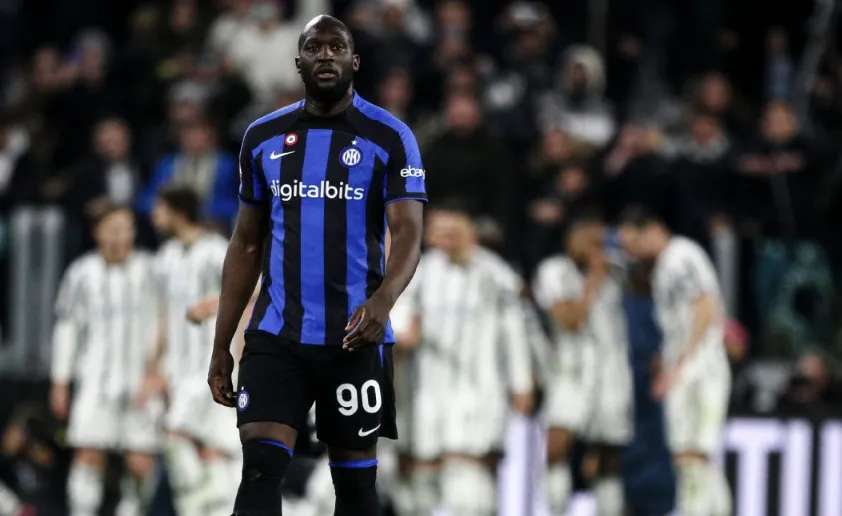
Racist abuse in football remains a persistent stain on the beautiful game, but the recent incident involving Romelu Lukaku during a Coppa Italia match has sparked a crucial conversation about how clubs and leagues should respond. The Belgian striker, on loan at Inter Milan from Chelsea, was subjected to monkey chants from a section of the crowd during a tense clash at the Allianz Stadium. While the initial incident was deplorable, what happened next offered a glimmer of hope. Juventus, in a swift and decisive move, demonstrated how to take meaningful action, setting an example that should be followed across the sport. This article, brought to you by Jeetwin, dissects the incident, the club’s response, and what it means for the future of combating racism in football.
The Incident: A Familiar, Ugly Scene
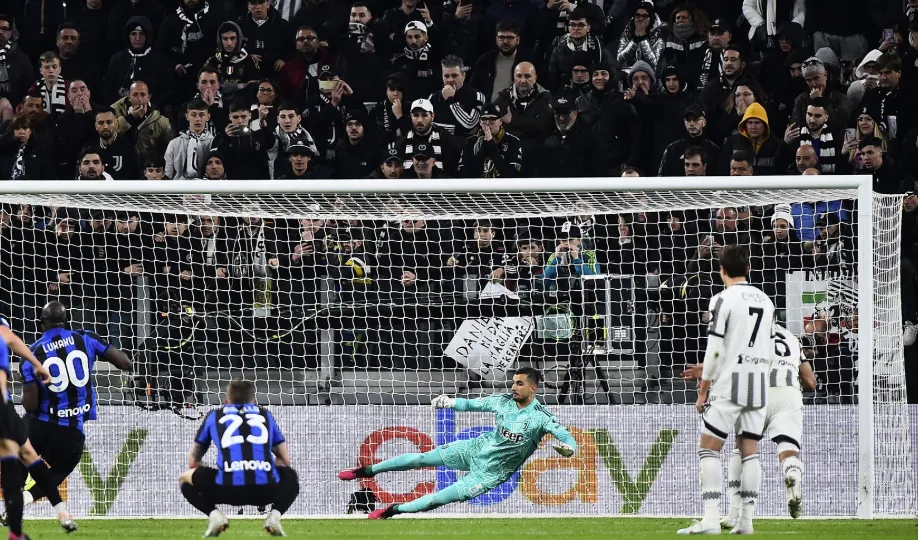
The match between Inter Milan and Juventus was already a tense affair, with high stakes in the Coppa Italia semi-final. In the 95th minute, Romelu Lukaku stepped up to take a penalty. After calmly slotting the ball home to make it 1-1 at the Allianz Stadium, the forward turned to the crowd and celebrated. This is a routine action in football, yet it was met with a barrage of racist abuse from a section of the Juventus support.
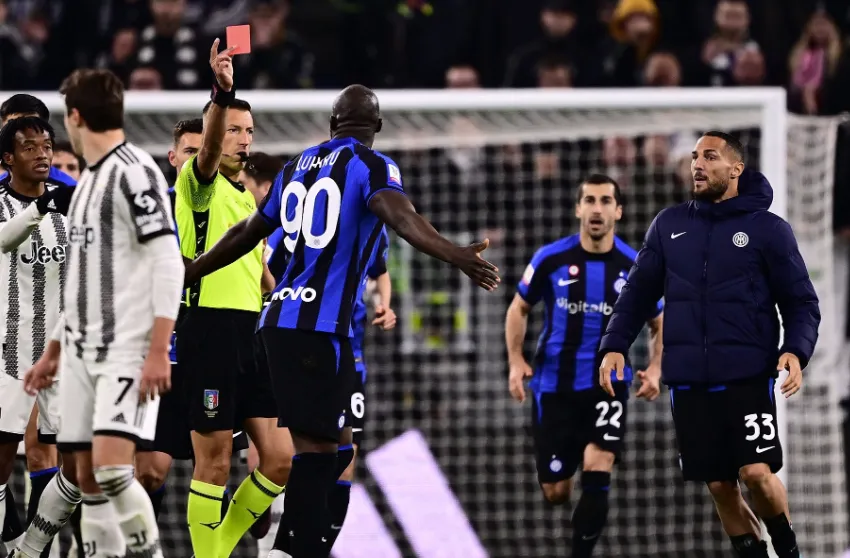
The chants, directed specifically at Lukaku, were unmistakably racist. The atmosphere, which should have been electric with competitive tension, became toxic. Lukaku, visibly upset, stood on the pitch, his frustration palpable. He was later shown a second yellow card for his reaction, a decision that itself sparked debate about how the game’s authorities often punish the victim. This moment was not just a bad night for football; it was a stark reminder that racism remains a deeply embedded issue that requires more than just statements of condemnation.
The Immediate Aftermath: A Call for Action
The initial response from many quarters was predictable but necessary. Pundits, former players, and anti-discrimination bodies like Kick It Out immediately condemned the abuse. However, the true test of whether football is serious about change lies in the actions taken by the clubs involved, the league, and the authorities. This is where Juventus’s response became a case study in how to move from words to deeds.
Juventus Shows How to Take Action: A Blueprint for Change
Instead of issuing a generic statement of regret or deflecting responsibility, Juventus took a proactive stance that has been widely praised. Their actions set a new standard for how clubs should respond to racist incidents involving their own fanbase. For fans following the latest developments via Jeetwin, this was a pivotal moment.
Identifying and Banning the Offenders
Juventus did not simply condemn the actions of a “few individuals.” They put their resources into identifying those responsible. The club worked with police and used stadium CCTV footage to pinpoint the offenders. Within days, they announced lifetime bans for the individuals involved. This is a clear, unambiguous message: racism will not be tolerated, and there are serious, permanent consequences for those who engage in it.
A Public and Unconditional Apology
While banning the offenders was crucial, Juventus also issued a direct and unconditional apology to Romelu Lukaku. They did not try to justify the actions of their fans, nor did they make excuses. The apology was public, sincere, and placed the blame squarely where it belonged. This contrasted sharply with past incidents where clubs have been hesitant to fully condemn their own supporters.
Addressing the Club’s Culture
The most significant part of Juventus’s response was their commitment to addressing the underlying culture. They acknowledged that racism is not an isolated issue but a societal problem that has infiltrated the stands. The club launched an internal review and announced plans for educational programs aimed at their fanbase. This long-term approach, focused on prevention rather than just punishment, is the most effective way to create a lasting change and stamp out racist abuse in football.
The Role of the Authorities and the League
While Juventus deserves praise, the incident also highlighted the shortcomings of the footballing authorities. The decision to give Lukaku a second yellow card for his reaction was widely criticized. It sends a dangerous message that players who are subjected to racist abuse should remain silent, while the perpetrators face minimal immediate consequence.
There is a growing call for a more standardized and robust protocol from leagues like Serie A and UEFA. This includes:
- Match stoppages:A clear procedure for halting or abandoning a match when racist chanting is heard, as seen in other sports.
- Automatic sanctions:A points deduction or playing behind closed doors for clubs whose fans engage in racism.
- Zero-tolerance policing:Greater collaboration between clubs and law enforcement to prevent and prosecute hate crimes at stadiums.
Why This Incident Matters for the Future of Football
The Lukaku incident and Juventus’s response have reinvigorated the debate about racism in football. It is no longer enough for clubs and players to “take the knee” or wear an armband. Real change requires difficult, often uncomfortable, confrontation. The fact that a club took decisive action against its own fans is a major step forward and sets a critical precedent for all clubs, including those in the Premier League, La Liga, and beyond.
Changing the Narrative
For too long, the focus has been on the reaction of the player who is abused, rather than the actions of the abuser. This incident has helped to shift that narrative. It reminds everyone that the responsibility for eradicating racism lies with the clubs, the leagues, and the authorities.
Conclusion: The Game Must Do More
The racist abuse aimed at Romelu Lukaku was a sickening reminder of a problem that refuses to go away. However, the decisive and swift action taken by Juventus provides a powerful blueprint for the future. By identifying and banning offenders, offering an unconditional apology, and committing to long-term change, the club showed that it is possible to move from a position of passive condemnation to active confrontation.
This incident is not the end of the fight against racism in football, but it could be a turning point. The game now faces a choice: follow Juventus’s lead and implement real, meaningful action, or continue to allow racism to fester in the stands. For the sake of the players, the fans, and the integrity of the sport, the answer must be clear. What are your thoughts on the action taken? Share your opinion in the comments below and explore more sports analysis on Jeetwin.
