![Jeetwin | A Leading and Trusted Online Entertainment Platform in Bangladesh [2026]](https://jeetwin-casino.net/wp-content/uploads/2026/02/jeetwin-logo-convert.io-1.webp)
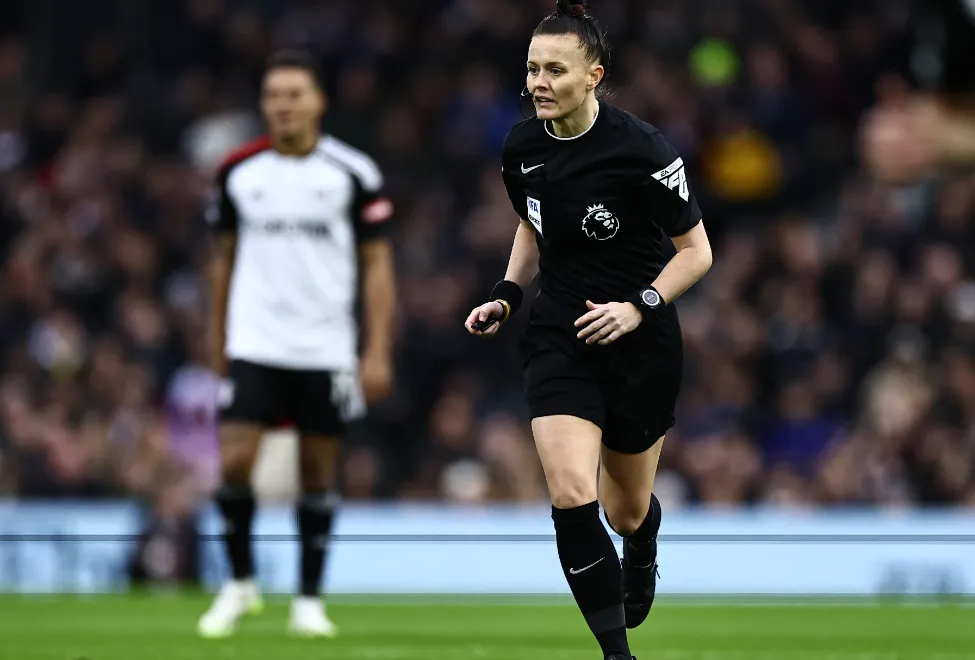
The world of football witnessed a historic milestone as Rebecca Welsh took charge of a men’s FA Cup third-round match, shattering a long-standing gender barrier in the sport. This momentous occasion, covered extensively by Jeetwin, marks a significant leap forward for inclusivity and representation in football officiating. Welsh’s achievement is not just a personal triumph but a powerful symbol of how the beautiful game is evolving, breaking down stereotypes and inspiring a new generation of officials. Her presence on the pitch, commanding respect and making crucial decisions, signals a new era where talent and dedication are the only metrics that matter, regardless of gender. This is a story of perseverance, skill, and the relentless pursuit of excellence that resonates far beyond the confines of the pitch.
Who Is Rebecca Welsh? The Journey to the FA Cup Third Round
Rebecca Welsh is not a newcomer to the world of football officiating, but her appointment to the FA Cup third round has catapulted her into the national spotlight. Her journey is one of dedication, rising through the ranks from grassroots football to the professional stage. Starting as a local referee, Welsh quickly distinguished herself with her sharp decision-making, calm demeanor under pressure, and deep understanding of the game’s nuances. Her career trajectory has been marked by a series of impressive milestones: she has officiated in the Women’s Super League (WSL), the Championship, and various EFL competitions, consistently earning praise from players, managers, and fellow officials alike.

What makes Welsh’s achievement particularly noteworthy is the sheer magnitude of the FA Cup. This competition, steeped in history and tradition, is the oldest national football competition in the world. The third round is a special moment where minnows from lower leagues dream of toppling giants from the Premier League. To be entrusted with officiating such a high-stakes, emotionally charged match demonstrates the immense trust the Football Association (FA) has in her abilities. According to football pundit and former referee, Mark Clattenburg (speaking in a recent interview), “Rebecca has all the attributes of a top-class referee. She reads the game exceptionally well, communicates effectively with players, and has the physical fitness to keep up with the modern game. This is a proud moment for English football.” Her appointment was not a token gesture but a recognition of merit, a fact that has been widely celebrated across the football community.
The Significance of the Moment: Breaking Barriers in Football Officiating
The FA Cup third round has long been a stage for history-making moments. From giant killings to miraculous comebacks, the competition is famed for its unpredictability. However, this particular edition will forever be remembered for breaking a gender barrier that had stood since the tournament’s inception in 1871. Welsh‘s appointment sends a clear message: football is a sport for everyone, and officiating excellence is not confined by gender.
This achievement comes at a time when the role of women in football is undergoing a profound transformation. While female players have long been celebrated, the path for female officials has been fraught with challenges. The physical demands, the intense scrutiny, and the ingrained stereotypes have historically made it a difficult arena for women to enter. Welsh’s success is a testament to her resilience but also to the systemic changes happening within the sport. The FA has actively been promoting diversity in officiating through programs like ‘Manage the Game’ and ‘Female Officials Development’, which provide mentorship, training, and pathways for aspiring referees. Welsh is the pinnacle of this effort, proving that the pipeline for talent is working.
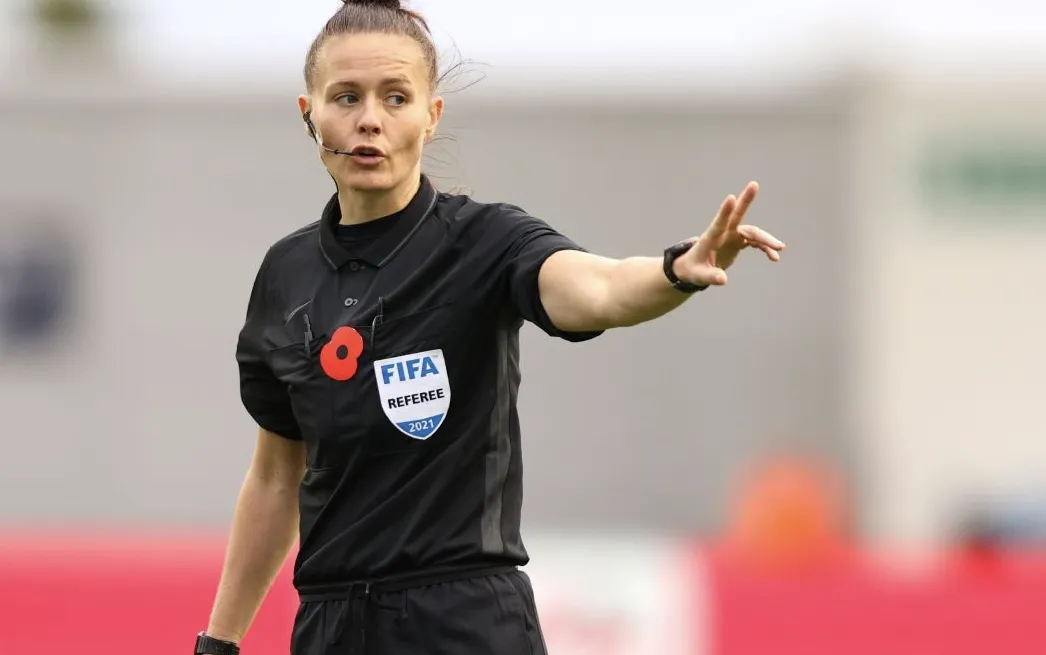
Her presence on the field also has a powerful cultural impact. We spoke with Sarah Moore, a former FA Cup winner and current sports commentator, who shared her thoughts: “When young girls see Rebecca Welsh walking onto that pitch, it changes their perception of what’s possible. They no longer see refereeing as a man’s job. They see it as a career path. This is bigger than football; it’s about societal change.” The moment is a win for equality and a powerful lesson in meritocracy, proving that barriers are meant to be broken.
How the Match Unfolded: Welsh’s Performance Under the Spotlight
Of course, the ultimate test for any referee is their performance on the big day. The match in question, a third-round tie between a lower-league side and a Premier League opponent, was a classic FA Cup affair: fast-paced, physical, and emotionally charged. From the first whistle, Welsh asserted her authority. She demonstrated excellent game management, allowing play to flow when possible but not hesitating to penalize fouls that disrupted the rhythm.
One of the key moments came in the first half when a contentious tackle occurred just outside the penalty area. Welsh, positioned perfectly, made a swift and decisive call, awarding a free kick and cautioning the offending player. Her use of the advantage rule was particularly impressive. In the second half, as the game became more tense, she managed player protests with calm authority, speaking to captains and diffusing potentially volatile situations.
The broadcast commentators, including renowned analyst Jamie Carragher, noted her consistency and composure. “She’s not allowing the occasion to get to her,” Carragher remarked. “She’s making the same decisions she would make in any other game. That’s the hallmark of a great official.” The match concluded without any major controversy related to her decisions, which is precisely the benchmark for a successful officiating performance. In a sport where referees are often criticized, Welsh emerged with her reputation enhanced, having proven she belongs on this stage. Her performance was a masterclass in the art of officiating, showcasing her technical knowledge, physical fitness, and psychological strength.
Reactions from the Football World: Players, Managers, and Fans
The football world’s reaction to Welsh‘s historic achievement has been overwhelmingly positive, a rare moment of consensus in a sport often divided by rivalries. Social media platforms were flooded with congratulatory messages from current and former players, managers, and clubs. The official FA Cup Twitter account posted a video of the moment with the caption “History Maker 🙌,” while the Premier League also paid tribute.
Players who took part in the match were full of praise. In post-match interviews, the losing captain stated, “She was excellent. You don’t think about the gender of the referee when they are making the right calls. She earned our respect today.” Even the winning manager, known for his fiery touchline demeanor, was gracious in his comments: “Ruby [the referee] had a great game. Let’s be honest, we’ve all had bad refs, male or female. She was one of the best we’ve had this season. It’s a proud day for the game.”
Naturally, there were a few dissenting voices. A small minority of fans online questioned whether a woman could handle the pace of the men’s game, or whether such appointments were purely for publicity. However, these views were quickly dismissed by the overwhelming majority who pointed to her stellar performance as the ultimate rebuttal. The FA itself released a statement emphasizing that Welsh’s appointment was based on “consistent high performance in the Championship and League One.” The debate, if it ever truly existed, was settled not by arguments but by 90 minutes of flawless officiating. The narrative had shifted from “Can a woman do this job?” to “This woman did the job brilliantly.”
What This Means for the Future: Inspiring the Next Generation of Officials
Rebecca Welsh’s historic FA Cup third-round appearance is far more than a one-off headline; it is a catalyst for long-term change within the sport. The practical implications are immense. Football associations across the globe will now point to Welsh as a tangible example of what is possible. Her story will be used to recruit more women into refereeing, demonstrating that there is a clear and achievable career path to the very highest level.
In England, the FA’s ‘Respect’ campaign and grassroots initiatives will undoubtedly leverage this moment. Local referee associations are already reporting an increase in inquiries from women and girls who have been inspired by Welsh’s story. This “Welsh effect” could see a significant uptick in the number of female officials at the grassroots level, which is the bedrock of the sport. Furthermore, her success puts pressure on other major footballing nations to follow suit, promoting greater diversity in their own officiating ranks.
The psychological impact on young girls cannot be overstated. As sports psychologist Dr. Emma Finch explains, “Role models are crucial. When a young girl sees herself in someone like Rebecca, it dissolves the subconscious barrier of ‘that’s not for me.’ She has opened a door, and we are likely to see a flood of talent walk through it in the coming years.” The next step will be to see if a woman can be appointed to referee a Premier League match or even a future FA Cup Final. While this remains a distant goal, what was once considered impossible is now firmly within the realm of probability. Welsh has not just made history; she has changed the future of football officiating.
Conclusion: A Day to Remember in FA Cup Lore
The FA Cup has always been a competition for dreamers and history makers. From the amateur sides who punch above their weight to the legends who etch their names into the trophy, the tournament has a unique magic. This year, Rebecca Welsh added her name to that storied history. Her appointment as the first woman to referee the men’s FA Cup third round was a landmark moment that transcended the result of the match itself.
As we look back on this day, it is clear that Rebecca Welsh’s historic achievement is a victory for merit, diversity, and the beautiful game. She didn’t just break a glass ceiling; she shattered it with her skill, composure, and relentless dedication. Her story serves as a powerful reminder that football belongs to everyone, and that talent will always find a way to shine. The journey is not over; this is just the beginning. For the young girl who dreams of one day running out onto a pitch with a whistle, the path is now clearer than ever. Let’s celebrate this incredible moment and look forward to a future where such appointments are no longer a surprise, but the norm. What are your thoughts on this historic moment? Share your comments below and join the conversation!
